Large Intestine Meridian of Hand-Yangming (LI)
The Hand-Yangming Large Intestine Meridian is closely related to the Lung Meridian. It serves as the protector of both the lung and the large intestine. The Large Intestine Meridian of Hand-Yangming originates from the tip of the index finger, runs upward along the anterior border of the lateral aspect of the upper limb, passes through the shoulder, and enters the supraclavicular fossa. There, it connects with the lung, then passes through the diaphragm and enters the large intestine, its pertaining organ. Another branch ascends from the supraclavicular fossa along the neck, enters the lower teeth, passes through the philtrum, and terminates at the side of the nose (at the acupoint LI-20, Welcome Fragrance).
Active Hours
Mao hour, Large Intestine Meridian
Functions
The Lingshu (Spiritual Pivot), in the chapter "Meridians" (Jing Mai), records: "The Large Intestine Meridian of Hand-Yangming governs disorders of the fluids (jin). These include: yellow eyes, dry mouth, sniveling and epistaxis, throat impediment (throat bi), pain in the anterior shoulder and upper arm, and pain and motor dysfunction of the index finger."
Related Conditions
Visceral patterns (Zang-fu symptoms): borborygmus (rumbling intestines) with abdominal pain, constipation, diarrhea, rectal prolapse, etc. When the qi of the large intestine is exhausted, uncontrollable diarrhea occurs. Meridian patterns (Jing-luo symptoms): When the Large Intestine Meridian is obstructed, pain, soreness and distension, numbness, and other sensations manifest along its pathway, including the index finger, upper limb, dorsum of the hand, and posterior shoulder.
Daily Care
The lungs distribute abundant fresh blood throughout the entire body. This then promotes the Large Intestine Meridian to enter an active state, completing the process of absorbing water and nutrients from food and discharging the waste. Get up promptly. After rising, drink a glass of plain warm water, and then head straight to the toilet to expel all the waste that has accumulated overnight. Each day during the Mao hour (5:00–7:00 a.m.), the large intestine undergoes active peristalsis. At this time, pat or tap the acupoints along the pathway of the Large Intestine Meridian, especially points such as Erjian (LI2), Quchi (LI11), and Hegu (LI4). Doing this once daily can promote the elimination of toxins and waste.
Acupoints
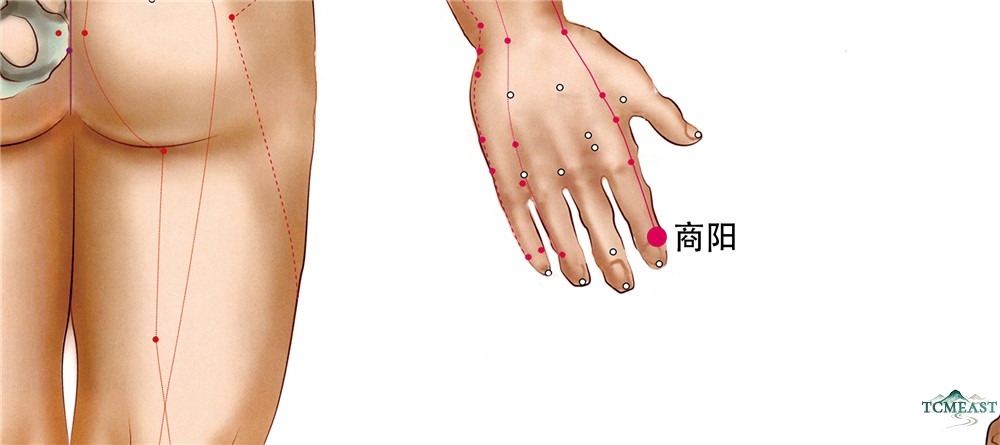
Shangyang (LI-1)
Discover the exact location and acupressure method for Shangyang (LI-1). Learn its indications for sore throat, coma, toothache, and fever, plus powerful combinations with Hegu, Shaoshang, and Tanzhong for various conditions.
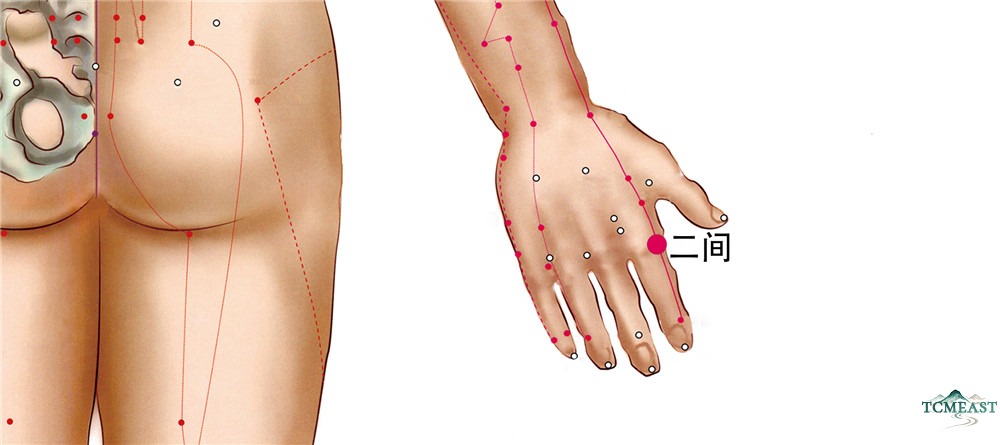
Erjian Point (LI-2)
Discover the corrected exact location and acupressure method for Erjian (LI-2). Learn its indications for toothache, sore throat, and stye relief, plus powerful combinations with Hegu (LI-4) for dental pain and Neiting (ST-44) for eczema.
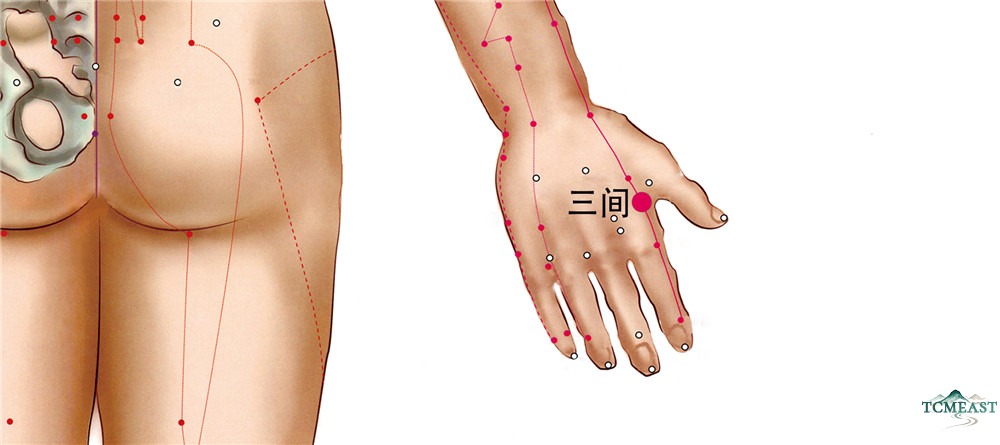
Sanjian Point (LI-3)
Discover the exact location and acupressure method for Sanjian (LI-3). Learn its benefits for constipation, toothache, sore throat, and trigeminal neuralgia, plus powerful combinations with Hegu, Quchi, and Shenmen for various conditions.
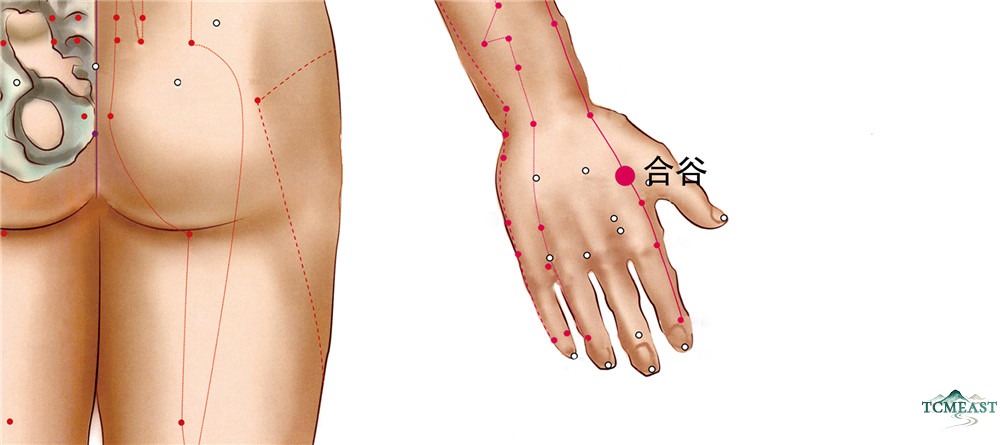
Hegu Point (LI-4, Tiger Mouth)
Discover the exact location and acupressure method for Hegu (LI-4 / Tiger Mouth). Learn its extensive benefits for facial disorders, headaches, colds, pain, and gynecology, plus classic combinations like Four Gates (with Taichong), sweat regulation (with Fuliu), and crucial pregnancy warnings.
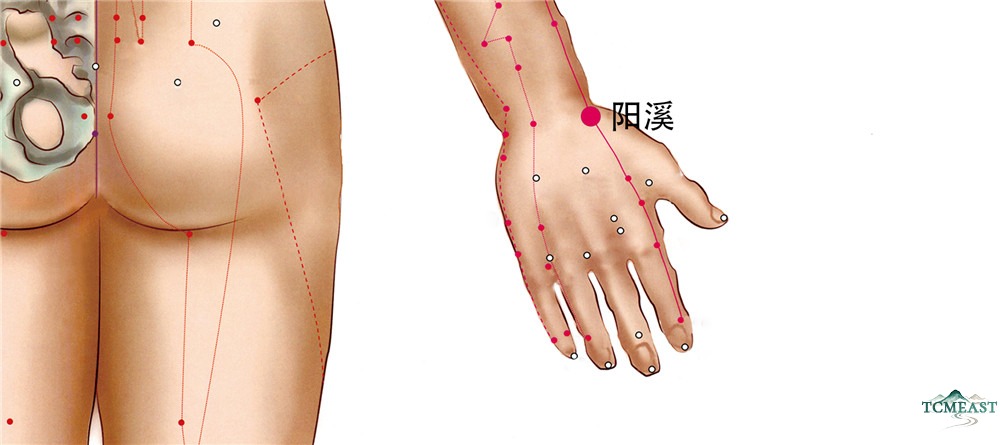
Yangxi Point (LI-5)
Discover the exact location and acupressure method for Yangxi (LI-5). Learn its benefits for headache, tinnitus, wrist pain, and tonsillitis, plus powerful combinations with Taichong, Tinggong, and Taiyang for various conditions.
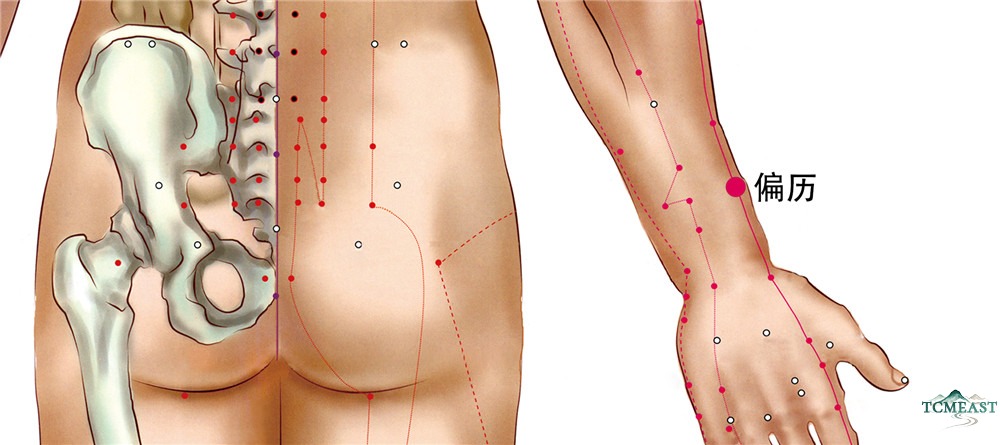
Pianli Point (LI-6)
Discover the exact location and acupressure method for Pianli (LI-6). Learn its indications for deafness, tinnitus, nosebleeds, and abdominal pain, plus classic combinations for neurasthenia, epistaxis, and toothache from ancient texts.
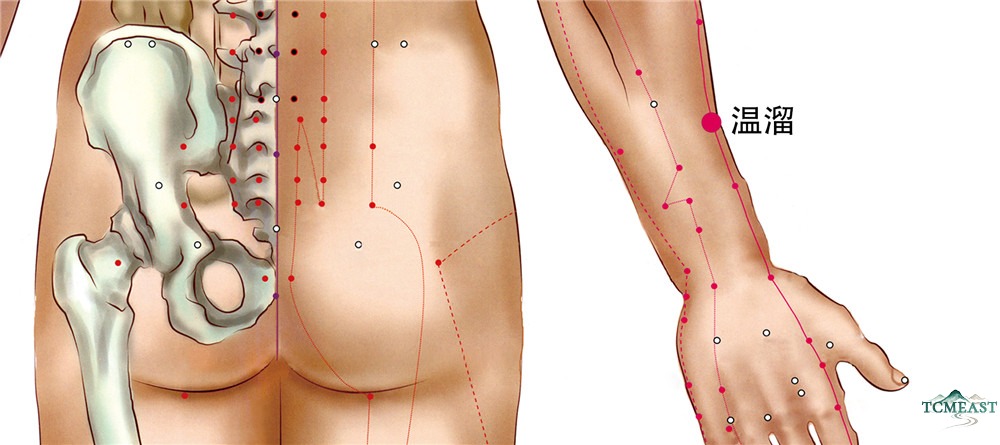
Wenliu Point (LI-7)
Discover the exact location and acupressure method for Wenliu (LI-7). Learn its indications for headache, facial swelling, throat obstruction, and abdominal pain, plus classic combinations for epistaxis, manic episodes, and stiff neck from ancient texts.
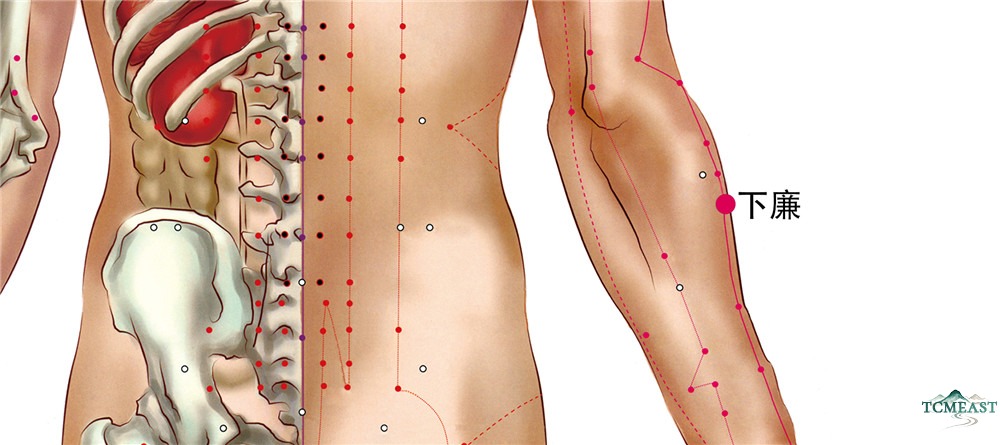
Xialian Point (LI-8 / Lower Angle)
Discover the exact location and acupressure method for Xialian (LI-8 / Lower Angle). Learn its benefits for abdominal distension, pain, elbow arthritis, and weakness, plus classic combinations with Tianshu, Zhongwan, and Zusanli for digestive health.
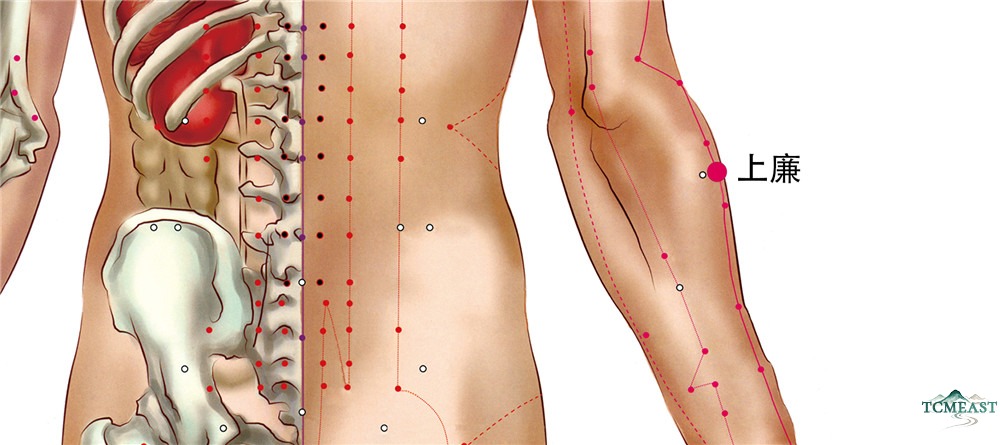
Shanglian Point (LI-9 / Upper Angle)
Discover the exact location and acupressure method for Shanglian (LI-9 / Upper Angle). Learn its indications for abdominal pain, distension, vomiting, and upper limb pain, plus its classic combination with Quchi for arm numbness.
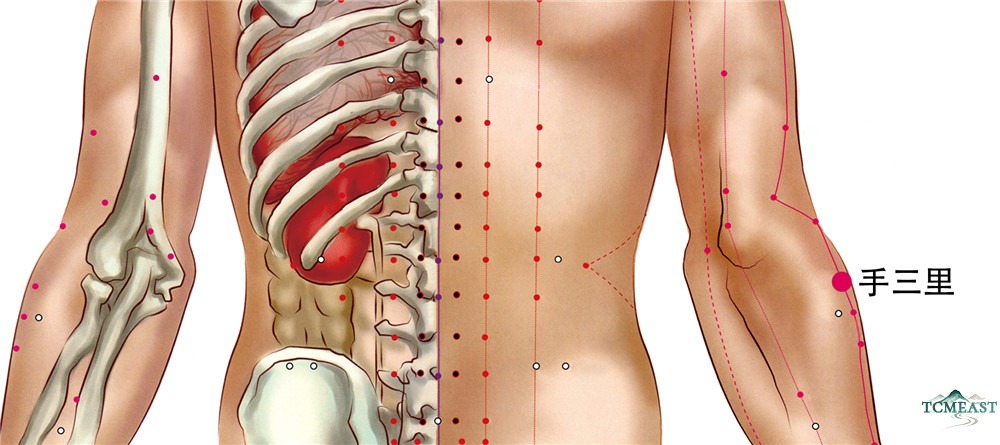
Shousanli Point (LI-10 / Hand Three Li)
Discover the corrected exact location (3 cun below the elbow tip) and acupressure method for Shousanli (LI-10). Learn its benefits for upper limb paralysis, acute lumbar sprain, trigeminal neuralgia, facial beauty, and digestive health, plus classic combinations.
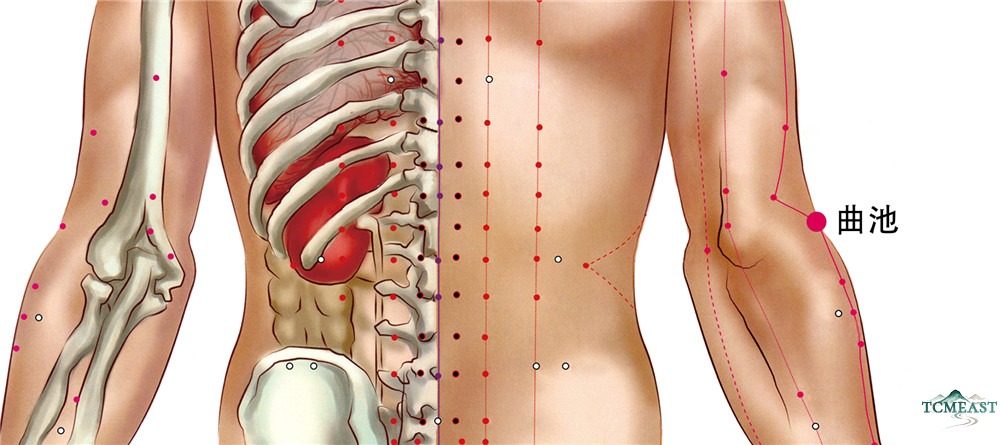
Quchi Point (LI-11 / Pool at the Crook)
Discover the exact location and acupressure method for Quchi (LI-11). Learn its extensive benefits for fever, skin disorders, hypertension, head and facial diseases, and gastrointestinal conditions, plus classic combinations and hypotension precautions.
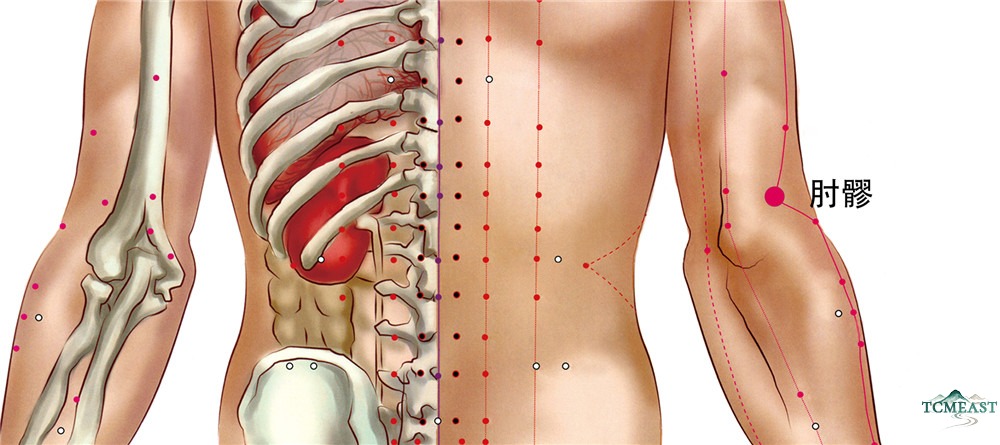
Zhouliao Point (LI-12 / Elbow Bone Crevice)
Discover the exact location and acupressure method for Zhouliao (LI-12 / Elbow Bone Crevice). Learn its benefits for shoulder, arm and elbow pain, upper limb numbness, and contracture, plus classic combinations for tennis elbow, lateral epicondylitis, and elbow joint pain.
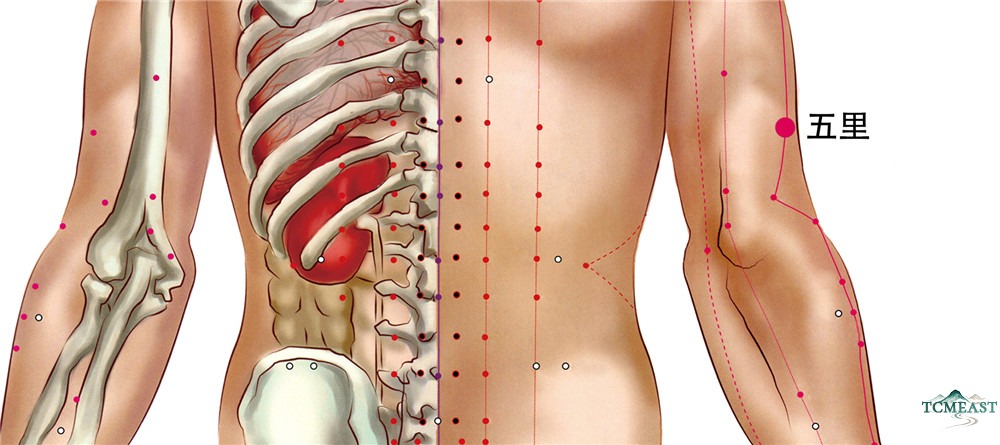
Shouwuli Point (LI-13 / Hand Five Li)
Discover the exact location and acupressure method for Shouwuli (LI-13 / Hand Five Li). Learn its indications for arm swelling, upper limb immobility, scrofula, and blurred vision, plus classic combinations with Quchi, Tongli, and other points.
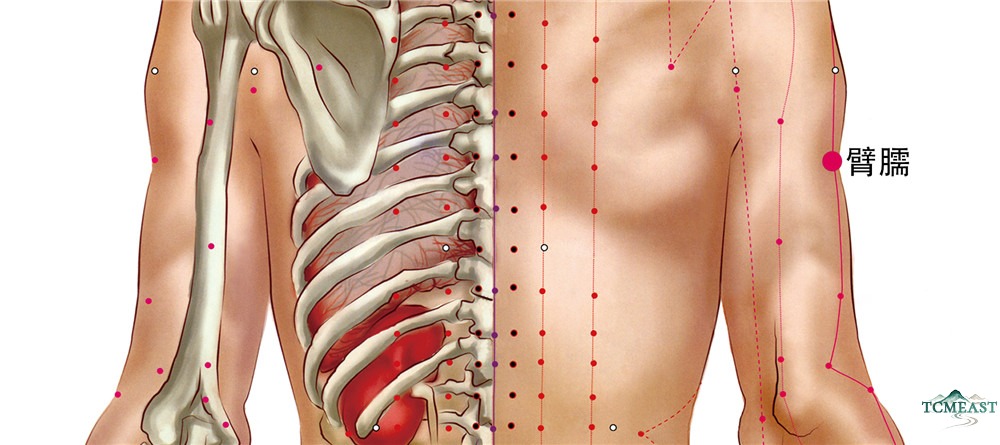
Binao Point (LI-14 / Upper Arm)
Discover the exact location and acupressure method for Binao (LI-14). Learn its benefits for frozen shoulder, arm pain, upper limb immobility, scrofula, and eye diseases, plus classic combinations with Jingming, Fengchi, and other points.
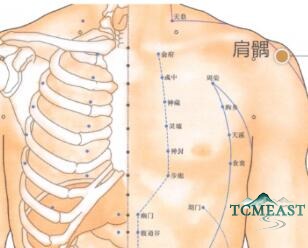
Jianyu Point (LI-15 / Shoulder Bone)
Discover the exact location and acupressure method for Jianyu (LI-15). Learn its benefits for frozen shoulder, shoulder pain and stiffness, stroke, hemiplegia, and hypertension, plus classic combinations for comprehensive treatment.
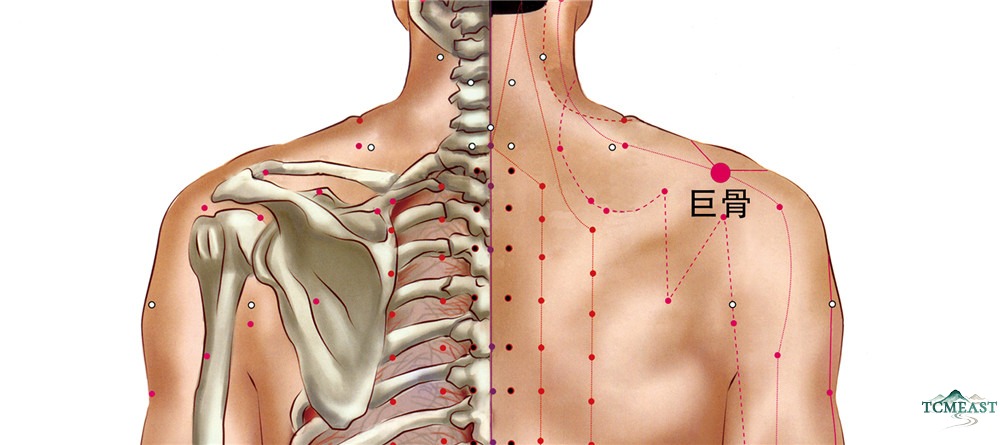
Jugu Point (LI-16 / Giant Bone)
Discover the exact location and acupressure method for Jugu (LI-16 / Giant Bone). Learn its benefits for shoulder and arm pain, contracture, hemiplegia, and hemoptysis, plus classic combinations with Jianyu, Kongzui, and other points.
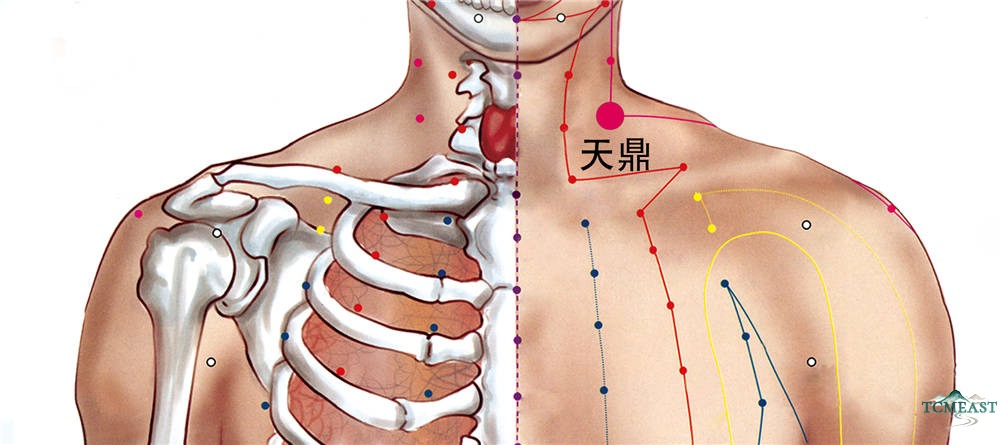
Tianding Point (LI-17 / Heavenly Cauldron)
Discover the exact location and acupressure method for Tianding (LI-17 / Heavenly Cauldron). Learn its benefits for sore throat, cough, asthma, scrofula, goiter, and globus hystericus, plus classic combinations with Shaoshang and other points.
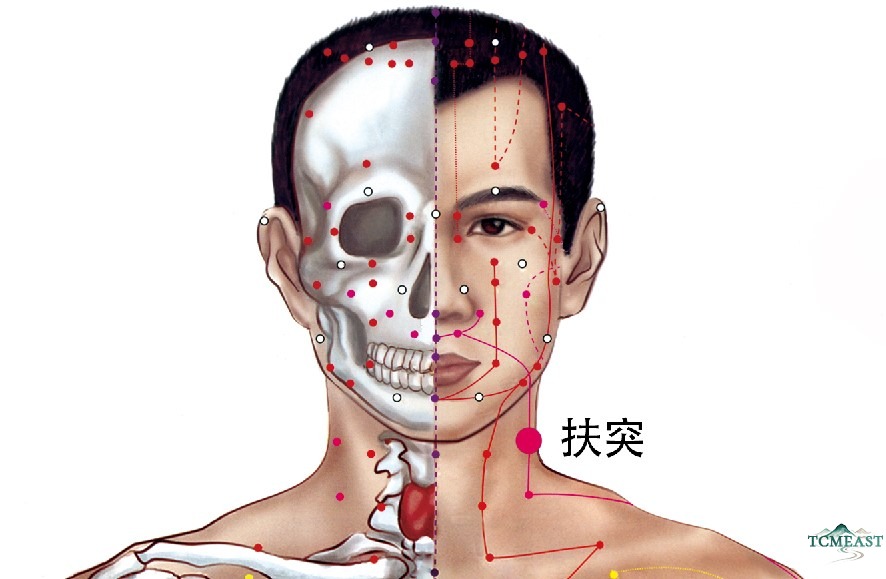
Futu Point (LI-18 / Supporting Prominence, also known as Water Point or Water Spring Point)
Discover the exact location and acupressure method for Futu (LI-18 / Supporting Prominence). Learn its benefits for sore throat, cough, asthma, hoarseness, goiter, and globus hystericus, plus classic combinations for hyperthyroidism and throat disorders.
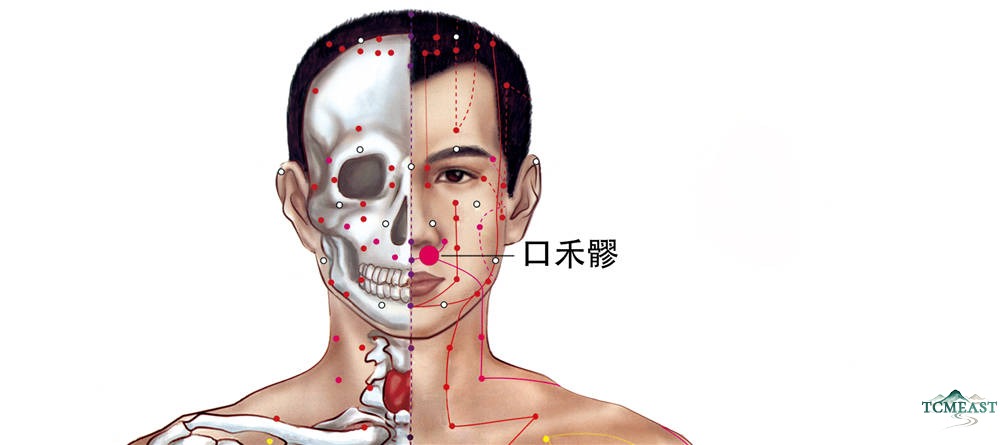
Kouheliao Point (LI-19 / Upper Lip Grain)
Discover the exact location and acupressure method for Kouheliao (LI-19). Learn its benefits for nasal congestion, polyps, nosebleeds, trismus, and rhinitis, plus classic combinations for allergic rhinitis and sinus disorders.
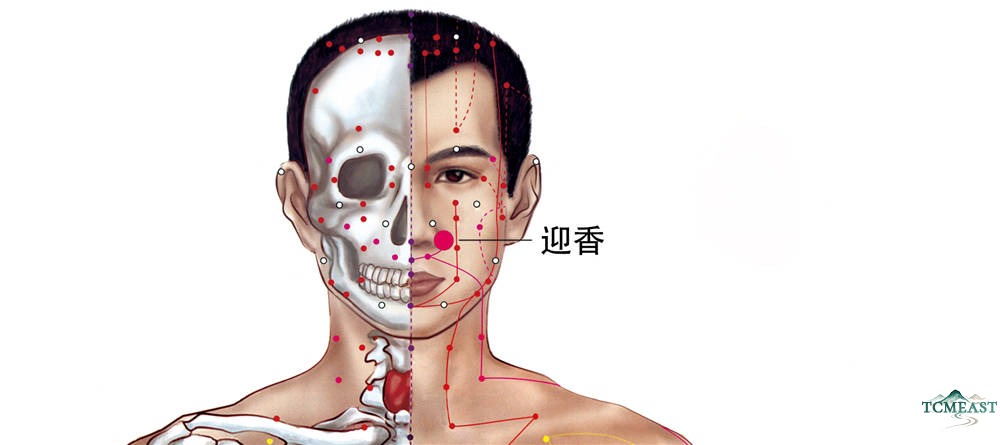
Yingxiang Point (LI-20 / Welcome Fragrance, also known as Chongyang)
Discover the exact location and acupressure method for Yingxiang (LI-20 / Welcome Fragrance). Learn its benefits for nasal congestion, rhinitis, epistaxis, facial paralysis, and biliary ascariasis, plus classic combinations for comprehensive nasal and facial treatments.