Eastern Wisdom, Natural Healing
TCMEAST
Connects You to the Authentic World of Chinese Medicine
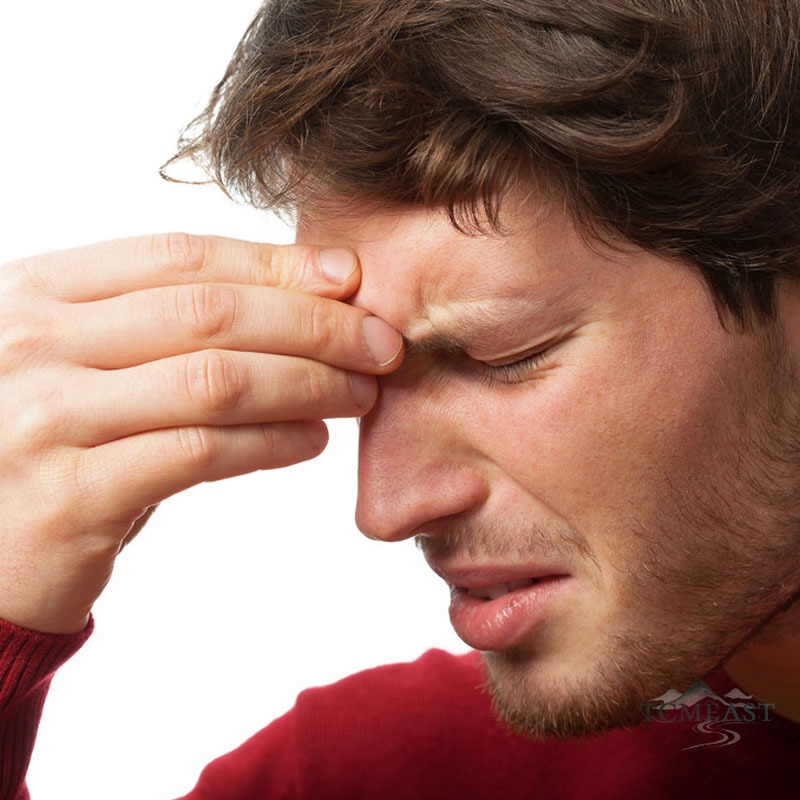
TCM for Migraines: Acupressure Points and Herbal Support
A TCM guide to migraines that looks beyond the pain: the Liver yang pattern, the acupressure points that calm an attack, and the herbs and lifestyle changes that reduce frequency.
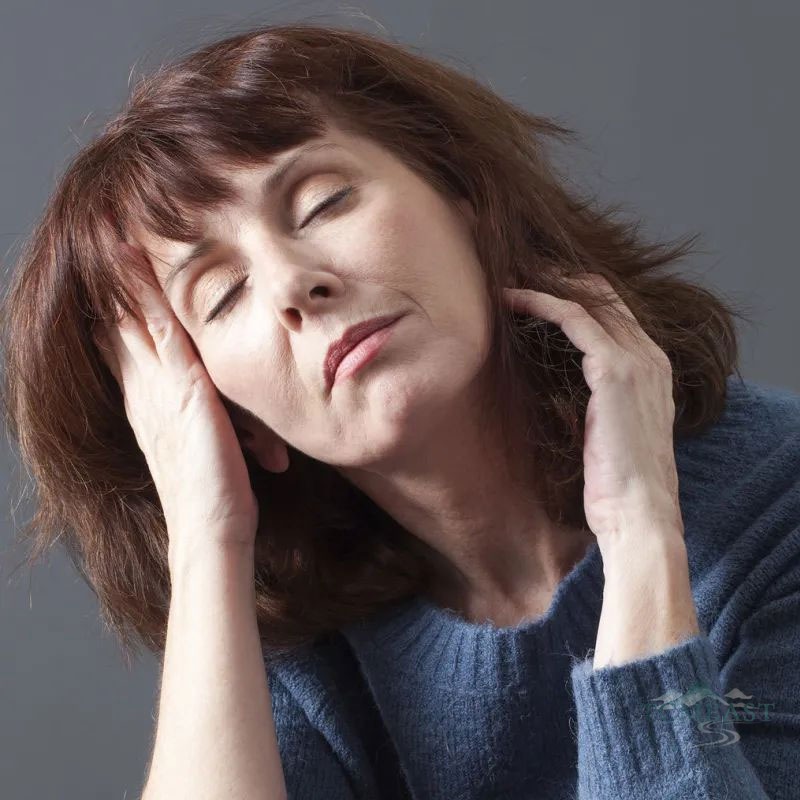
TCM for Menopause: Cooling Heat and Nourishing Yin
A TCM perspective on menopause as a natural transition, with herbs and acupressure for hot flashes, night sweats, mood swings, and sleep changes, plus diet and lifestyle support.
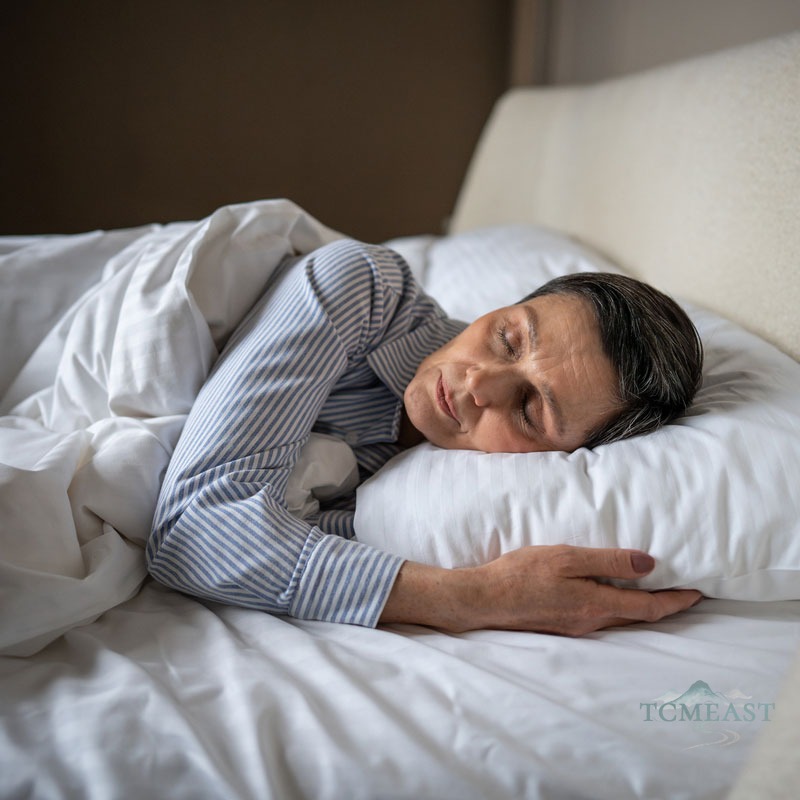
TCM for Insomnia: Calming Herbs, Points and Evening Rituals
A TCM approach to insomnia that looks at why you cannot sleep, not just how to force sleep. Explore calming herbs, acupressure points, and an evening routine that quiets the mind.
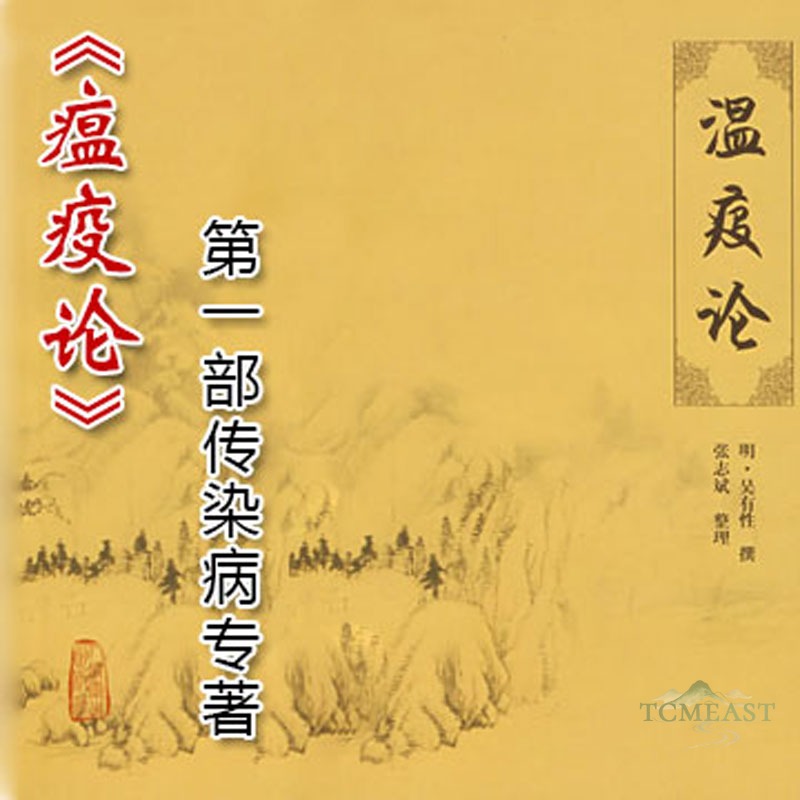
Treatise on Warm Epidemics (Wen Yi Lun) — The First Monograph on Infectious Diseases
The Treatise on Warm Epidemics (Wen Yi Lun), written by Wu Youxing in 1642, is China's first monograph on infectious diseases. It first proposed the theory of "li qi" (virulent qi) as the cause of epidemics, breaking through the traditional six-qi doctrine. It clarified airborne and contact transmission routes, the specificity of epidemic pathogens, and the importance of the body's righteous qi in resisting disease, and created treatments such as Dayuan Yin. The book laid the foundation for the development of the warm disease doctrine and has had a profound influence on the prevention and treatment of infectious diseases in Chinese medicine.
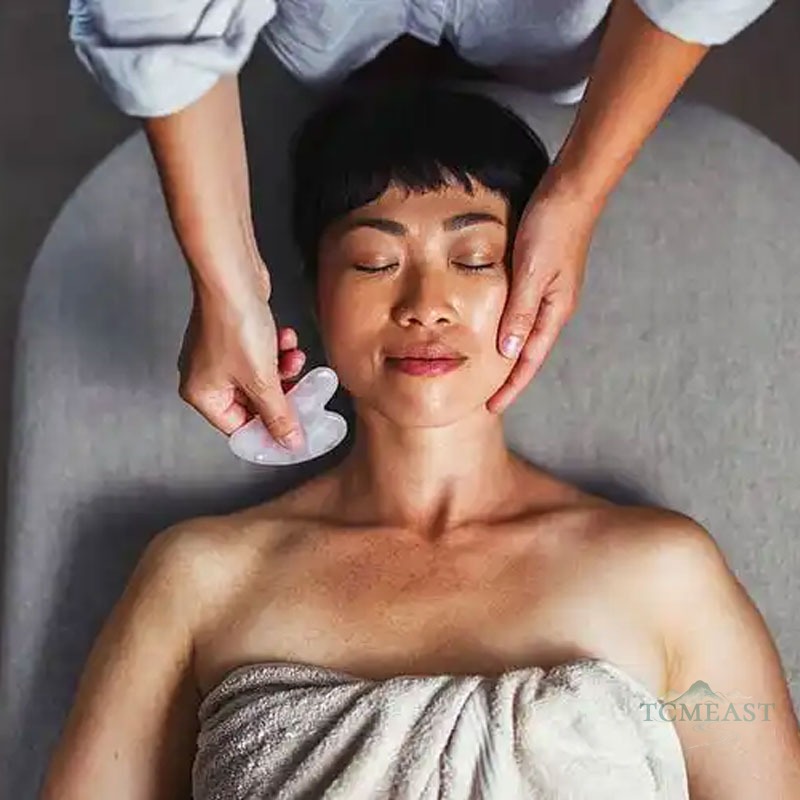
Gua Sha for Beginners: Tools, Technique and Skin Benefits
Learn what gua sha is, how to choose a tool, how to perform a safe face and body routine, and what those temporary marks really mean. A practical beginner's guide.
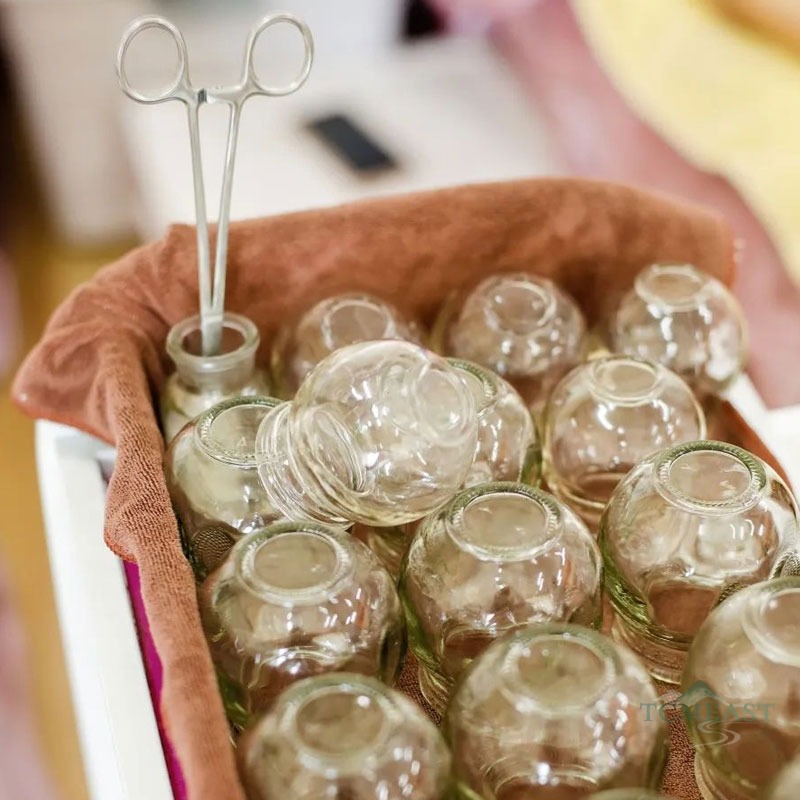
Cupping Therapy Explained: Benefits, Risks and What to Expect
What cupping therapy actually does, why it leaves marks, which conditions it suits best, and what to expect from a session. A clear, evidence-aware guide from a TCM perspective.
Millennia-Old Herbs: Gifts of Nature
Chinese herbal medicine uses natural substances such as plants and minerals, guided by the time-honored principle of “food and medicine sharing the same origin.” An effective herbal formula is never a random mixture; it is rigorously composed according to an individual’s constitution and disease pattern. It works gently yet persistently to awaken and support the body’s innate self-healing power, largely avoiding the harsh burdens that often accompany chemical pharmaceuticals.
MORE
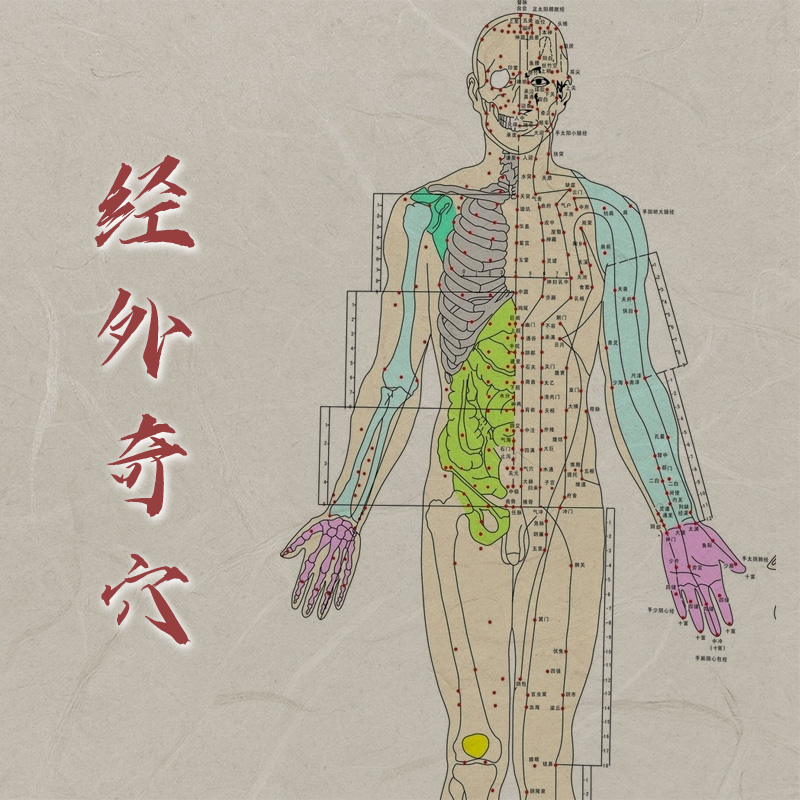 Extra Points (EX)
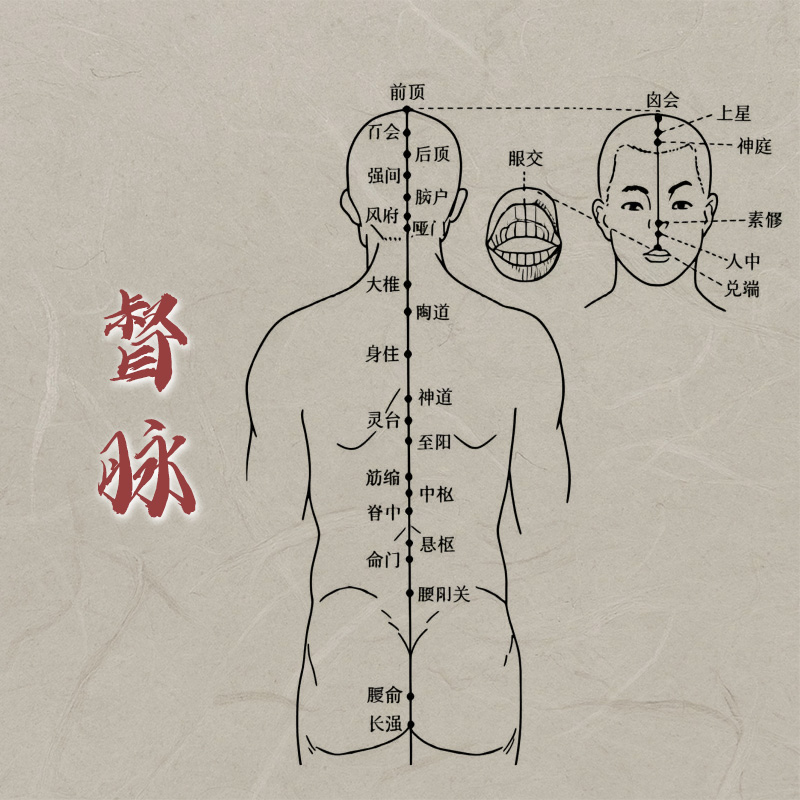 Governor Vessel (GV)
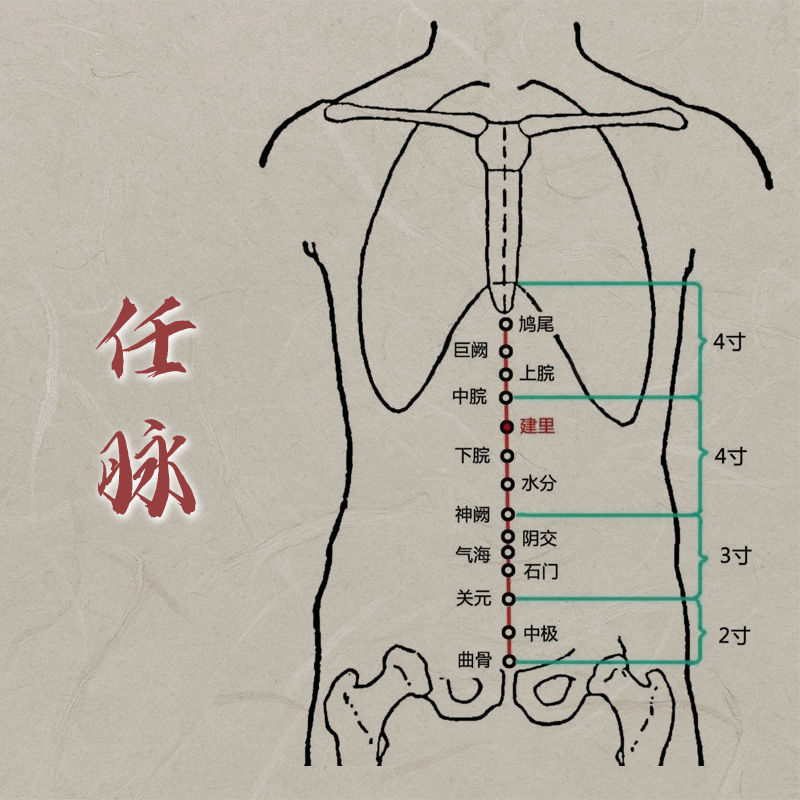 Conception Vessel (CV)
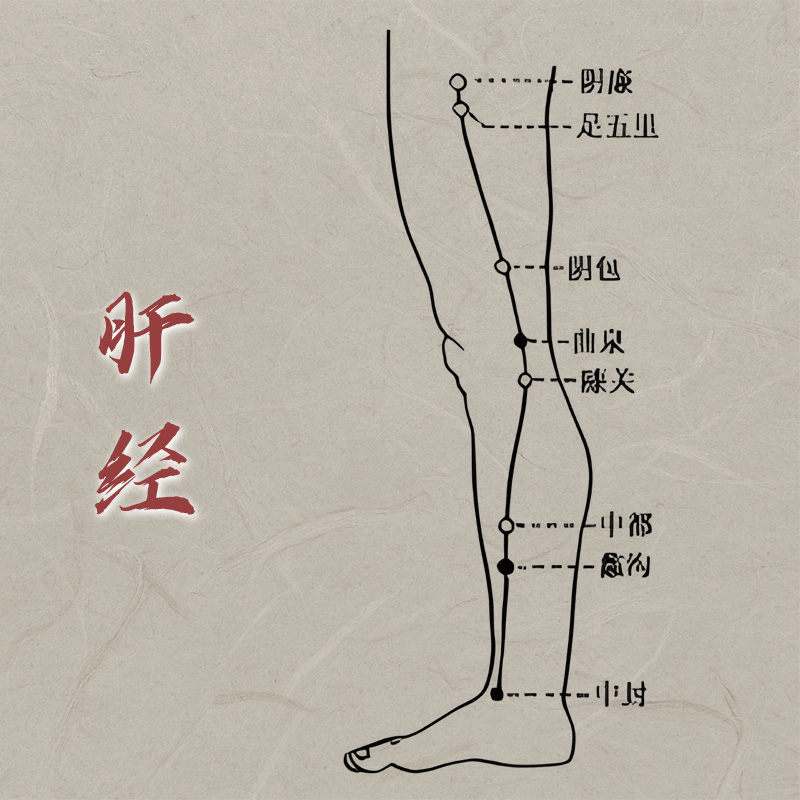 Liver Meridian of Foot-Jueyin (LR)
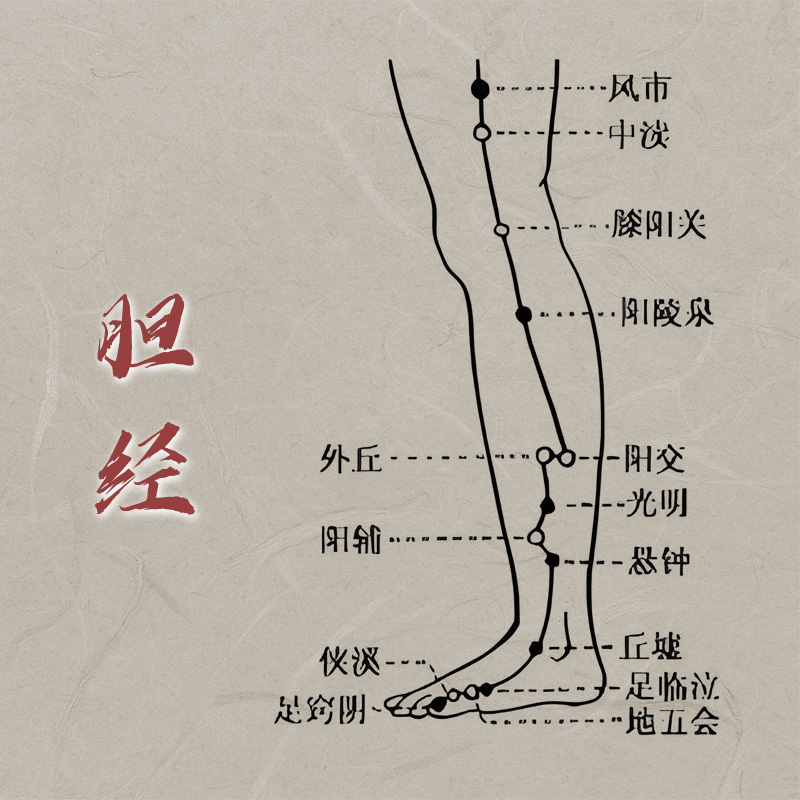 Gallbladder Meridian of Foot-Shaoyang (GB)
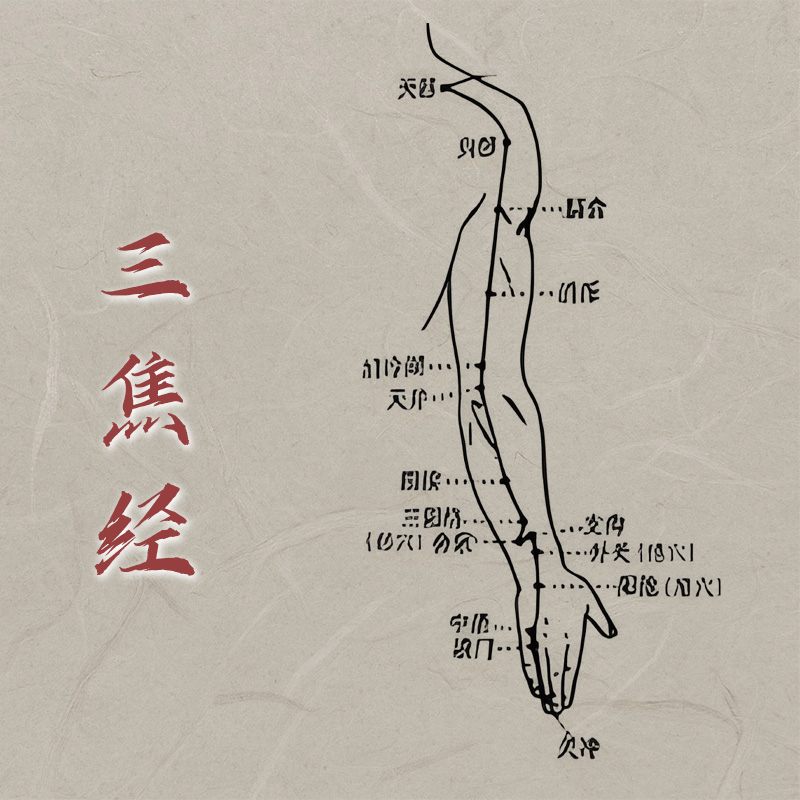 Triple Energizer Meridian of Hand-Shaoyang (TE / SJ)
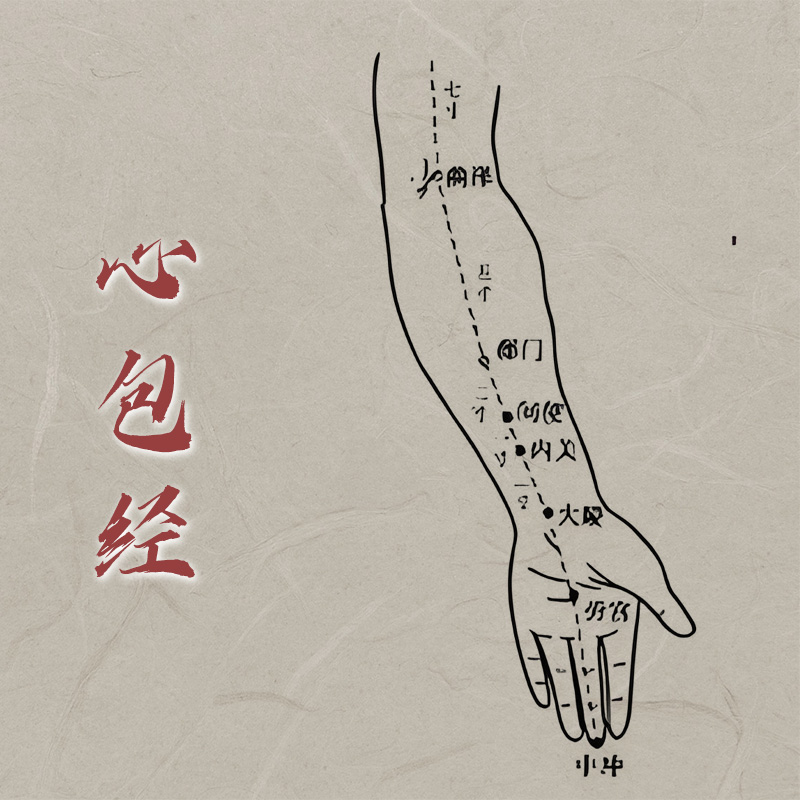 Pericardium Meridian of Hand-Jueyin (PC)
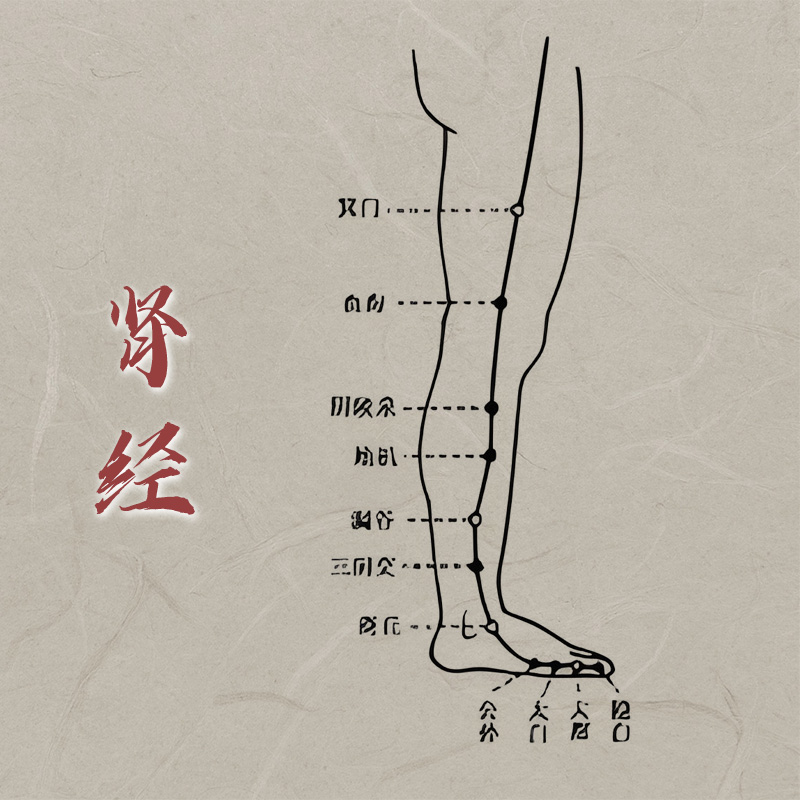 Kidney Meridian of Foot-Shaoyin (KI)
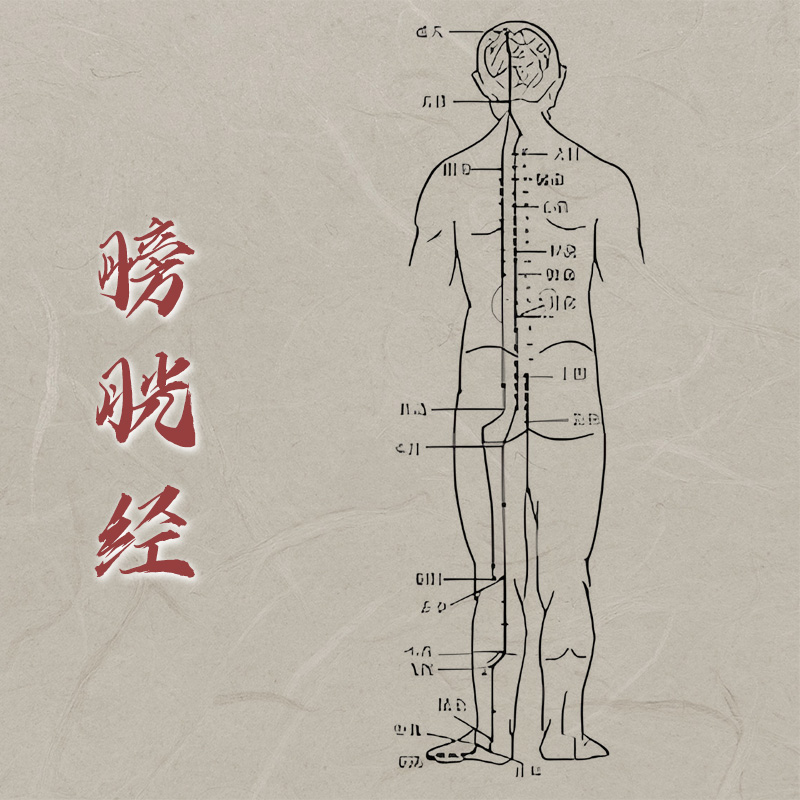 Bladder Meridian of Foot-Taiyang (BL)
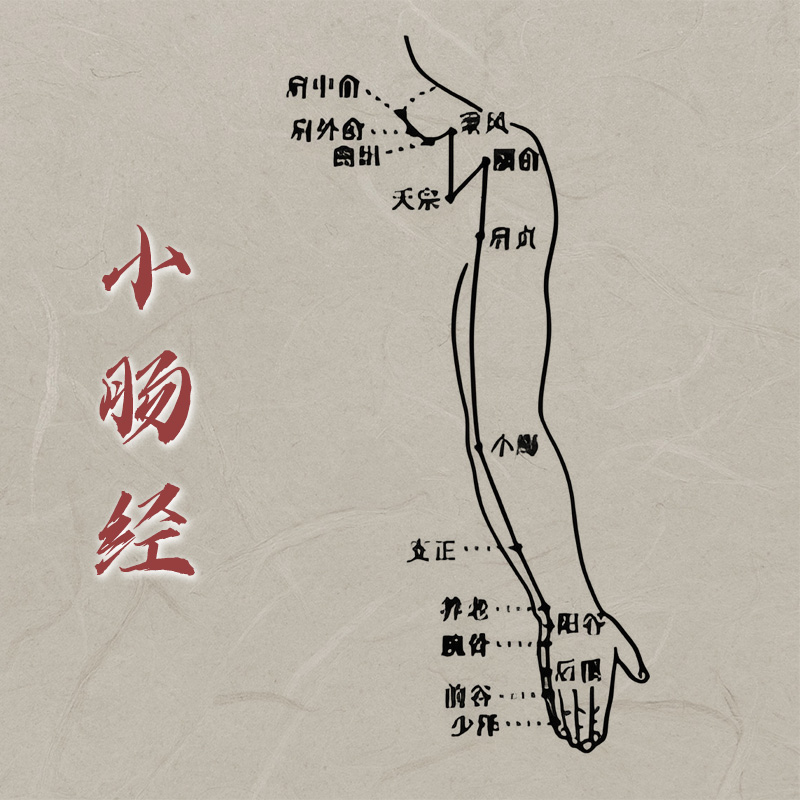 Small Intestine Meridian of Hand-Taiyang (SI)
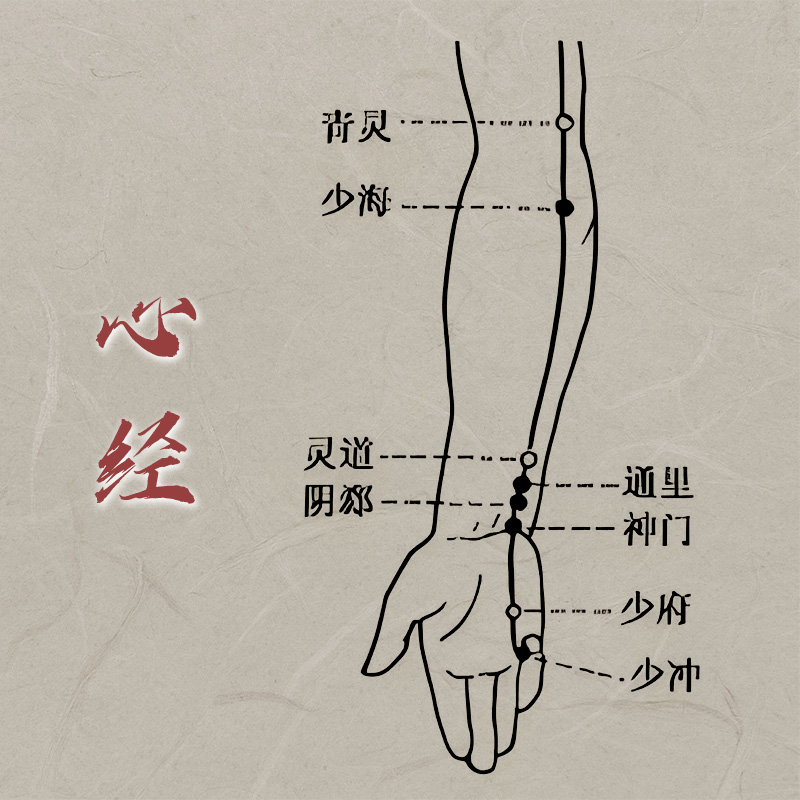 Heart Meridian of Hand-Shaoyin (HT)
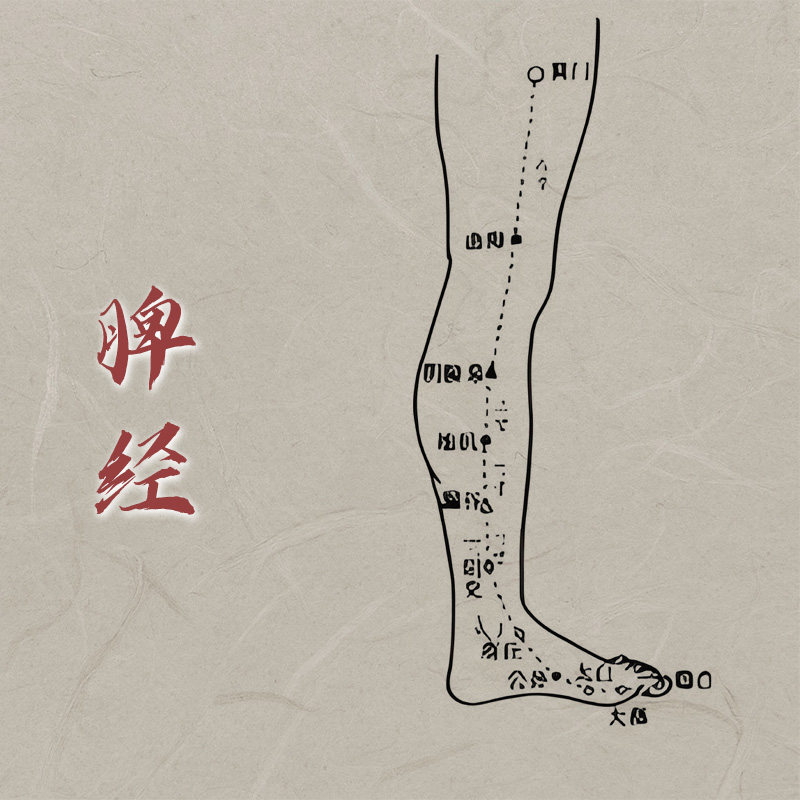 Spleen Meridian of Foot-Taiyin (SP)
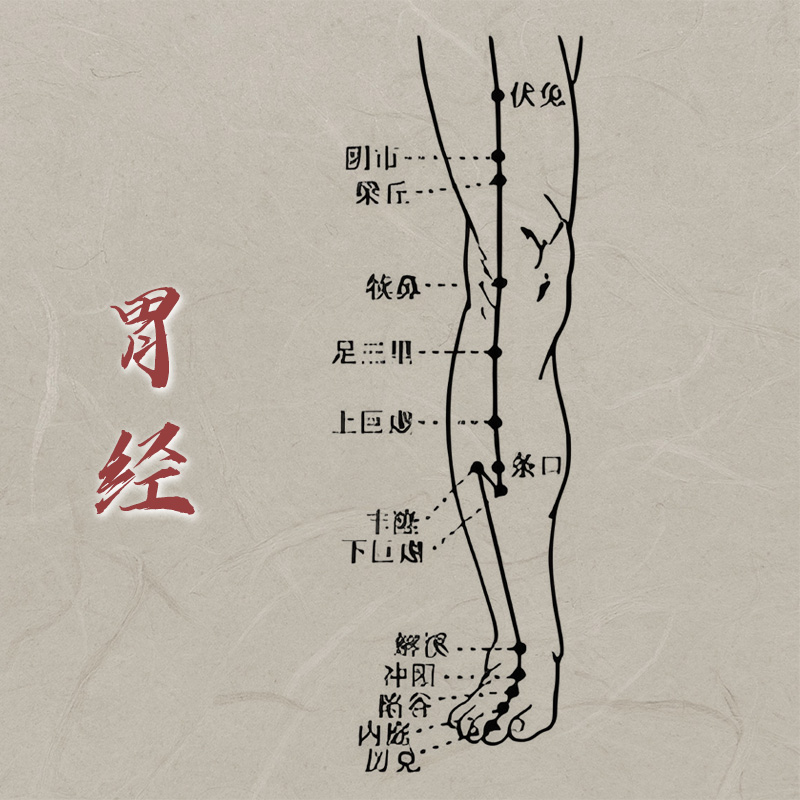 Stomach Meridian of Foot-Yangming (ST)
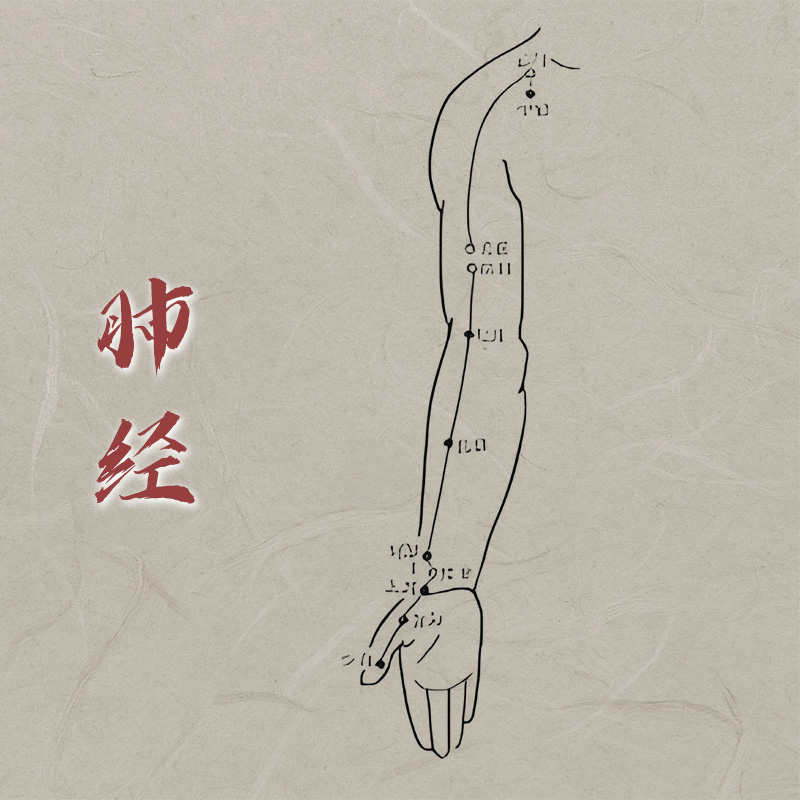 Lung Meridian of Hand-Taiyin (LU)
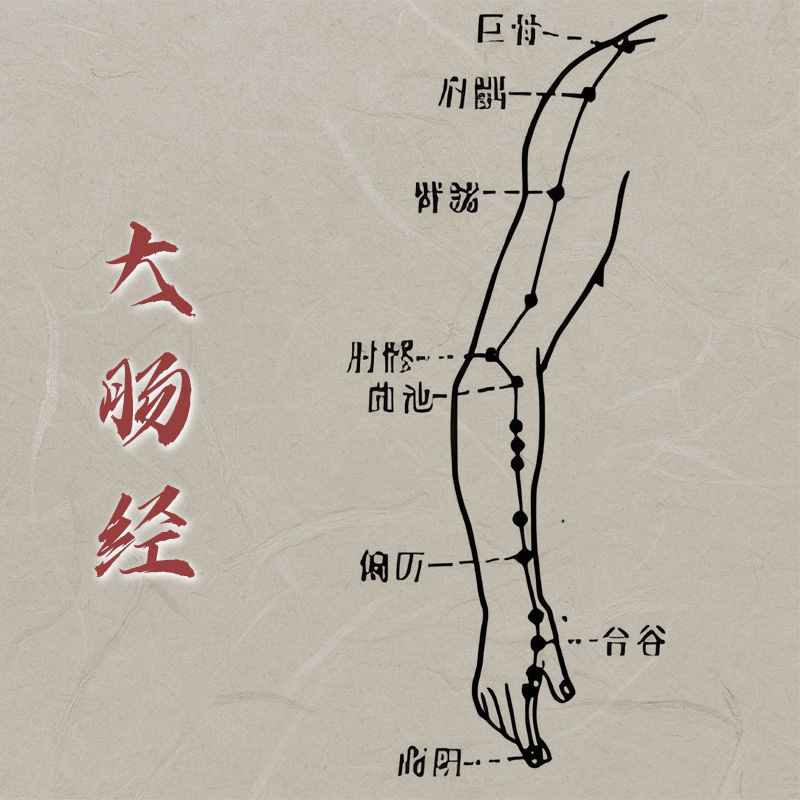 Large Intestine Meridian of Hand-Yangming (LI)