
Formulas & Needles
Acupuncture for Back Pain: Points, Herbs and Daily Self-Care
A TCM guide to back pain, from the patterns that cause it to the acupuncture points, herbs, and daily habits that actually help. Learn how to work with a practitioner and what you can do at home.
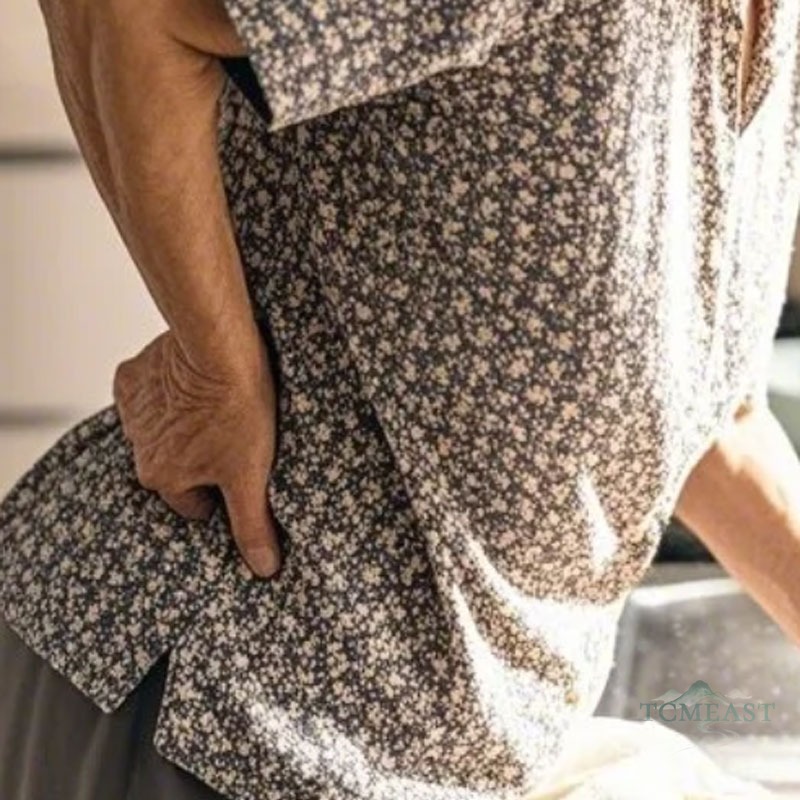
A Personal NoteBack pain is the most common reason Western patients seek out acupuncture, and after a decade of seeing it in practice, I understand why. Painkillers and physiotherapy help in the short term, but they rarely explain why the back keeps hurting. TCM looks at the back as a map: the lower back belongs to the Kidney system, the upper back to the Bladder meridian, and chronic pain almost always involves blood stasis or qi stagnation layered on top of an underlying deficiency. This article walks through the patterns, the points, the herbs, and the self-care habits that make the difference.
The TCM View of Back Pain
In TCM, back pain is usually a combination of two things: an empty foundation and a blocked road.
The Kidney connection: The Kidneys govern bones and are said to "reside" in the lower back. Overwork, aging, childbirth, and chronic stress deplete Kidney essence and Kidney qi, leaving the lower back weak and vulnerable. This is why the same injury heals quickly in one person and lingers for years in another.
The Bladder meridian: The Bladder meridian runs in two parallel lines down the entire back. When cold, dampness, or sitting all day blocks this pathway, qi and blood cannot reach the muscles and joints, producing stiffness and pain.
Common TCM Patterns of Back Pain
Kidney qi / yang deficiency: Dull aching that improves with rest, worse after standing or walking, cold sensation in the lower back, frequent urination, fatigue. Most common in people over 40.
Blood stasis: Sharp, fixed, stabbing pain, often worse at night, a history of injury or repeated strain. The tongue may show purple spots.
Cold-damp obstruction: Heavy, stiff pain that feels worse in cold or rainy weather, a sensation of tightness, and difficulty bending. The pain does not move with massage or heat alone.
Qi stagnation: Pain that shifts, worsens with stress, and comes with irritability or tension. This pattern is common in people who carry stress in their shoulders and upper back.
Acupuncture Points for Back Pain
These points can be used by a licensed acupuncturist and, in a lighter form, for acupressure at home:
Shen Shu (BL23): Two finger-widths from the lower spine, level with the lower edge of the ribs. The master point for Kidney deficiency and lower back weakness. Press with firm, slow circles for 1-2 minutes on each side.
Da Chang Shu (BL25): Level with the lower back, two finger-widths from the spine. Often used for lumbar strain and stagnation in the lower back.
Wei Zhong (BL40): The midpoint of the crease behind the knee. A famous "command point" for acute lower back pain. If the knee crease is tender, pressing it can bring surprising relief.
Huan Tiao (GB30): In the center of the buttock, found by bending the knee and locating the dimple beside the hip. Used for sciatica and deep gluteal pain. This one is best treated with needles by a professional.
Kun Lun (BL60): The hollow between the outer ankle bone and the Achilles tendon. Useful for back pain linked to the Bladder meridian and for general pain relief.
Herbs for Back Pain
Herbal support depends on the pattern. Common classics include:
- Du Zhong (Eucommia bark): Tonifies Kidney yang, strengthens the lower back and knees. One of the most used single herbs for chronic back pain. 9-15g in decoction.
- Niu Xi (Achyranthes): Strengthens the lower body and guides other herbs to the legs and lower back. Often combined with Du Zhong.
- Xu Duan (Dipsacus): Repairs tendons and bones after injury, supports the low back after strain.
- Yan Hu Suo (Corydalis): Moves blood and stops pain, especially useful when pain is sharp and fixed.
- Qiang Huo (Notopterygium): Releases cold-damp from the upper back and shoulders.
Classic formulas include Du Huo Ji Sheng Tang for cold-damp lower back pain and Shen Tong Zhu Yu Tang for blood stasis pain after injury. These should be prescribed by a qualified practitioner, never self-administered from memory.
Daily Self-Care That Works
Heat for cold, movement for stagnation: A warm compress or moxibustion suits cold-damp pain; gentle walking and stretching suit qi stagnation. If heat makes pain worse, skip the compress and use light movement instead.
Kidney-tonifying posture: Spend less time in chairs that let you slouch into your lower back. A simple habit: walk 10 minutes after meals, and stand for a few minutes every hour so the Kidney pathway stays open.
Sleep position: Side sleepers can place a pillow between the knees to keep the pelvis aligned. Back sleepers can put a small pillow under the knees to reduce lumbar strain.
Stress check: Because qi stagnation makes back pain stubborn, note whether pain flares on stressful days. A short evening stretch, slow breathing, and an earlier bedtime protect the Kidney qi that anchors the back.
For educational purposes only. If you have severe, progressive, or unexplained back pain, or pain with fever, numbness, or bowel or bladder changes, see a doctor first. Acupuncture and herbs should be guided by a licensed practitioner.