Formulas & Needles
Acupuncture Safety, Contraindications and What to Expect
A clear educational guide to acupuncture safety, common precautions, what to expect during a session, and when to consult a qualified healthcare professional.
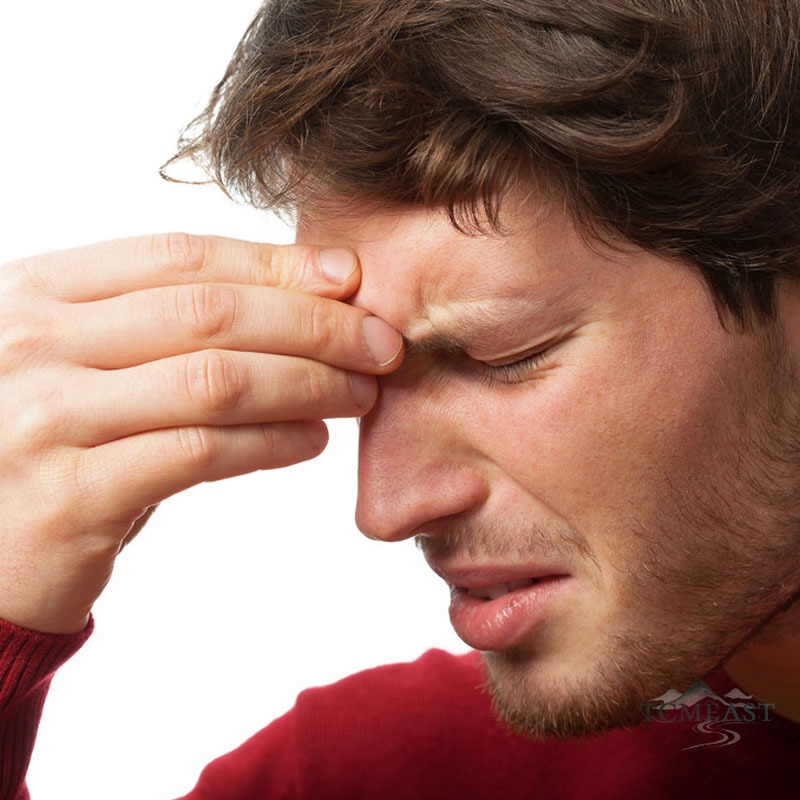
TCM for Migraines: Acupressure Points and Herbal Support
A TCM guide to migraines that looks beyond the pain: the Liver yang pattern, the acupressure points that calm an attack, and the herbs and lifestyle changes that reduce frequency.
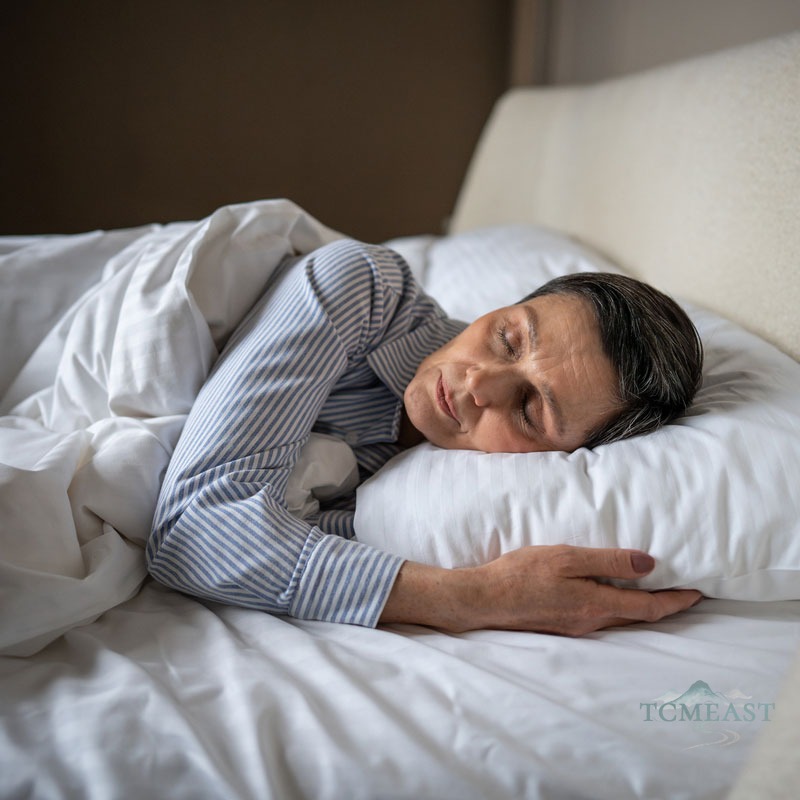
TCM for Insomnia: Calming Herbs, Points and Evening Rituals
A TCM approach to insomnia that looks at why you cannot sleep, not just how to force sleep. Explore calming herbs, acupressure points, and an evening routine that quiets the mind.
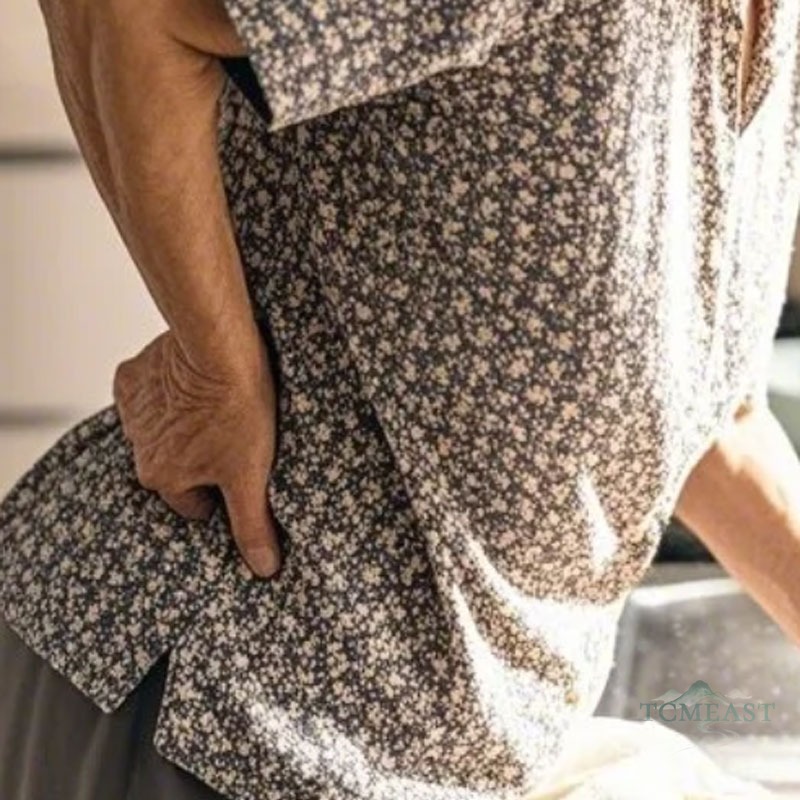
Acupuncture for Back Pain: Points, Herbs and Daily Self-Care
A TCM guide to back pain, from the patterns that cause it to the acupuncture points, herbs, and daily habits that actually help. Learn how to work with a practitioner and what you can do at home.
TCM for PCOS: Herbs, Acupressure and Dietary Support
A TCM approach to PCOS — understanding it as Spleen deficiency with dampness, Liver qi stagnation, or Kidney deficiency — with targeted herbs, acupressure points, and dietary strategies for hormonal balance.
TCM for High Blood Pressure: Herbs, Acupressure and Dietary Support
A TCM perspective on high blood pressure — understanding it as liver yang rising or phlegm-heat, with targeted herbs, acupressure points, and dietary changes to support healthy blood pressure naturally.
TCM for Bloating and Water Retention
Bloating and water retention are classic signs of Spleen qi deficiency and dampness in TCM. Learn which herbs drain dampness, which acupressure points relieve bloating, and which foods reduce water retention naturally.

Liver Qi Stagnation: TCM for Stress and Emotional Balance
Learn to recognize liver qi stagnation — the most common TCM pattern behind stress, irritability, and PMS. Discover the key herbs that smooth the Liver, acupressure points that release frustration, and lifestyle practices for emotional balance.
TCM for Constipation: Herbs, Acupressure and Natural Relief
A comprehensive TCM guide to treating constipation naturally — including specific herbs that moisten the intestines, acupressure points that stimulate bowel movements, and dietary changes that address the root cause.
Summer Skin: Acne, Rashes and Eczema from a TCM Perspective
Summer heat and humidity create the perfect environment for skin problems in TCM. Discover how cooling herbs, blood-cooling acupressure points, and dietary changes can calm summer rashes, acne, and eczema.
Summer Colds vs Winter Colds: TCM Prevention and Treatment
Summer colds are different from winter colds in TCM. They involve wind-heat rather than wind-cold. Learn how to distinguish them and treat summer colds with cooling herbs and acupressure.
TCM for Heat Stroke and Summer Heat Exhaustion
Learn how TCM prevents and treats heat-related illness 鈥?from mild heat exhaustion to serious heat stroke. Includes cooling herbs, emergency acupressure, and the essential summer formula Huo Xiang Zheng Qi San.
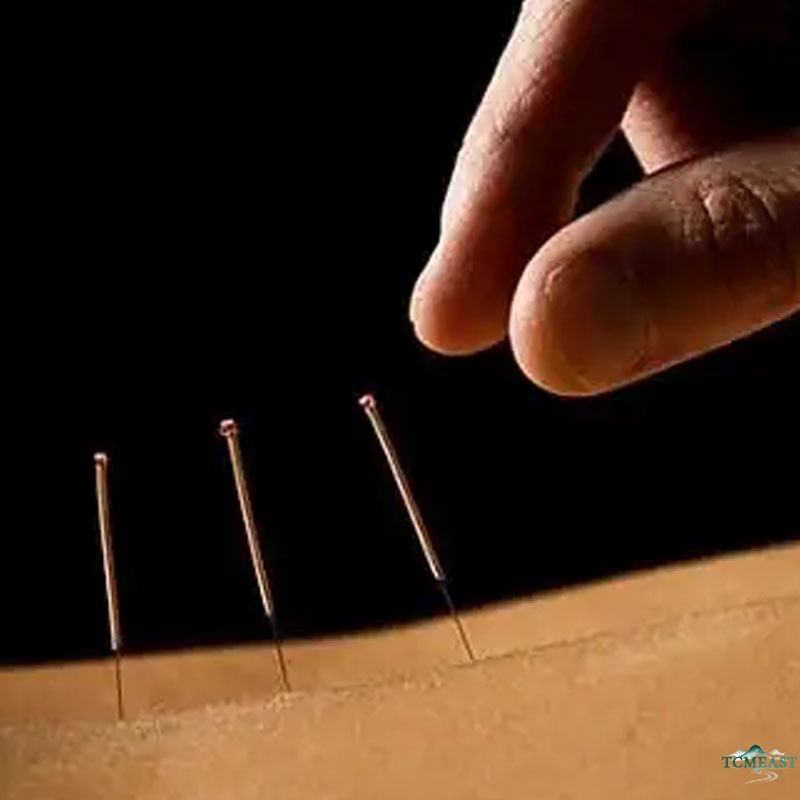
Chinese Medicine for Pain Management: Acupuncture Points, Herbs & Natural Relief
Learn how Traditional Chinese Medicine treats chronic pain — back pain, knee pain, and headaches — through acupuncture points, herbal formulas for inflammation, and self-care techniques you can practice at home.
TCM for Menopause: Herbs, Acupressure & Natural Support
A comprehensive guide to managing menopause naturally with Traditional Chinese Medicine. Learn which herbs cool hot flashes, which acupressure points balance hormones, and how dietary changes can ease the transition.
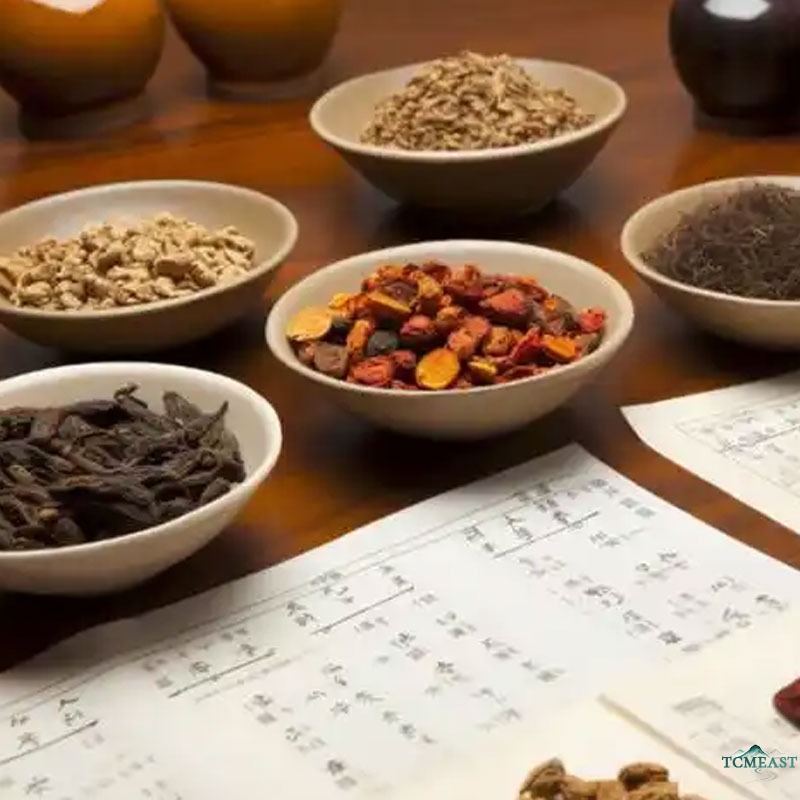
Chinese Medicine for Inflammation: Herbs, Cooling Foods & Natural Relief
A Traditional Chinese Medicine approach to reducing inflammation naturally — including the most anti-inflammatory Chinese herbs, cooling foods that calm heat, and acupressure points that reduce inflammatory pain.
Chinese Herbs for Hair Growth: TCM Guide to Stronger, Thicker Hair
Learn how Traditional Chinese Medicine approaches hair health and hair regrowth. Discover the key herbs for hair growth including He Shou Wu, Dang Gui, and Gou Qi Zi, plus acupressure techniques for scalp health."
Intradermal Needle Therapy: Subcutaneous Needling for Chronic Conditions
Intradermal needle therapy embeds tiny needles under the skin for prolonged mild stimulation, regulating meridians and zang-fu organs. Ideal for chronic pain, headache, dysmenorrhea, insomnia, and asthma.
Easy Acupoint Location for Massage: Find Your Body's Reaction Point
No need to memorize hundreds of acupoints. Learn four simple methods to find your body's own tender spots, nodules, and reaction zones for effective self-massage and acupressure at home.
Three Core Actions of Acupuncture: Yin-Yang Balance, Immune Support & Meridian Flow
Acupuncture harmonizes yin-yang, supports zheng qi and expels pathogens, and unblocks meridians through point combinations and needling techniques. Key points include Zusanli, Neiting, and Guanyuan.
Moxibustion at Houxi (SI3) for Stye: A TCM Cure
Stye is treated by direct moxibustion at Houxi (SI3), applying the left-for-right method with three cones. Pre-suppurative lesions resolve; suppurated ones drain in three days without scarring. Recurrent cases cure in two sessions.
Acupuncture for Cancer Pain: Opening the Four Gates
About 70% of advanced cancer patients suffer from severe pain. Acupuncture stimulates endorphin release for natural pain relief. Learn the Four Gates technique (Hegu and Taichong) and key needling methods.
Precautions and Contraindications of Acupuncture and Moxibustion
Moxibustion therapy must adhere to strict operational standards and contraindications: practitioners should operate with focused attention, select points accurately, maintain even heat, and guard against fainting, burns, and fire hazards. Forbidden areas include the apex beat region, major blood vessels, joints, the face, and the lumbosacral area of pregnant women. Moxibustion is contraindicated in high fever, convulsions, extreme debility, and in yin deficiency with internal heat and a rapid pulse. This article systematically presents the precautions and contraindications for safe moxibustion practice — an essential guide for standardized operation and accident prevention.
The Health-Preserving Effects of Acupuncture and Moxibustion
Moxibustion plays four core roles in health preservation: warming and unblocking the meridians to promote qi and blood circulation; cultivating and supplementing original qi to prevent disease — deemed the foremost method of preserving life; fortifying the spleen and stomach to strengthen the acquired foundation, with regular moxibustion at Zhongwan and Zusanli enhancing digestion and slowing aging; and raising yang qi to secure the body surface against external pathogens. With its warming nature, moxibustion unblocks the meridians, supplements deficiency, and harmonizes yin and yang, serving as a vital TCM approach to "preventing disease before it arises" and promoting daily wellness and longevity.
An Introduction to Acupuncture and Moxibustion Schools of Thought
This article systematically presents the major modern acupuncture academic schools in China: the Chengjiang School founded by Cheng Dan'an, which laid the foundation for modern acupuncture education and research; the Zheng Kuishan school, renowned in northwest China for its warm-tonifying and cool-draining needle techniques; the Guan family school, which developed special methods including tongue and ear acupuncture; the Zhuang medicine acupuncture system pioneered by Huang Jinming, centered on the "Three Paths and Two Routes" theory; Mongolian warm needling therapy integrating needling and moxibustion for osteoarticular disorders; the Huxiang school advocating the "meridian-viscera correlation" theory; and Jin's Three-Needle Therapy, celebrated for its simple, effective three-point combinations. Together, they represent the flourishing diversity of acupuncture scholarship.