Wisdom of TCM
Cupping Therapy Explained: Benefits, Risks and What to Expect
What cupping therapy actually does, why it leaves marks, which conditions it suits best, and what to expect from a session. A clear, evidence-aware guide from a TCM perspective.
A Personal NoteCupping is the therapy people are most curious about and least sure what to make of. The circular bruises make it look aggressive, yet most patients describe the sensation as a deep, surprisingly pleasant stretch. In TCM, cups are not about "drawing out toxins" in a magical sense. They are a way to move blood and qi that have become stuck, to open the surface of the body, and to give tense tissue room to release. This guide separates what cupping can do, what it cannot, and how to recognize a safe session.
What Cupping Is
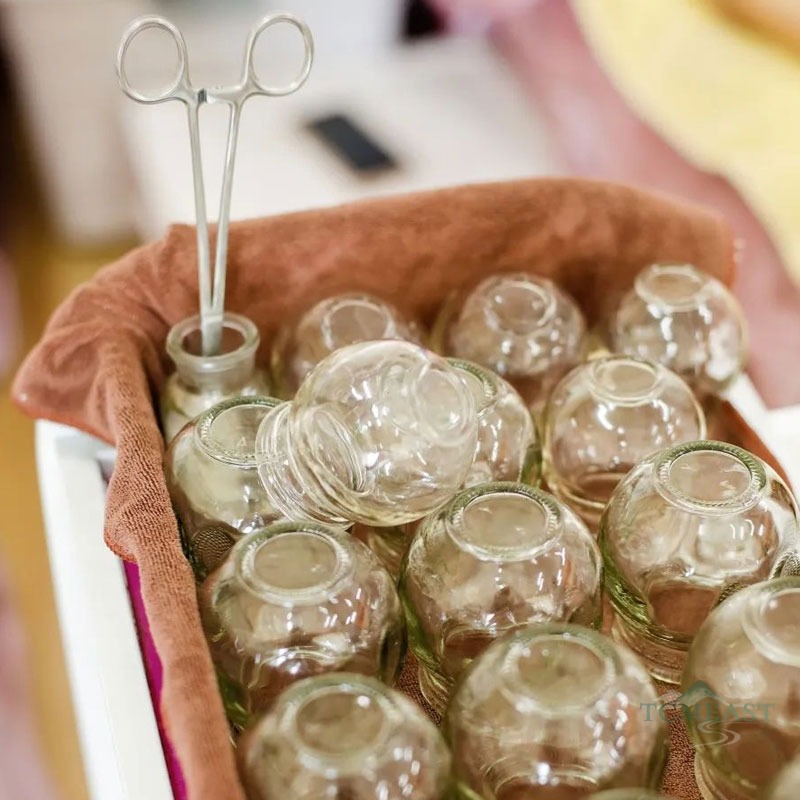
Cupping places a glass, bamboo, or silicone cup on the skin and creates suction. Traditional cupping uses heat to create a vacuum; modern practitioners often use a small pump. The cup lifts the skin and the superficial layer of muscle, increasing local blood flow and encouraging the fascia to soften.
There are several styles:
Static cupping: Cups stay in place for 5-15 minutes. The classic treatment for a tight upper back.
Moving cupping: Oil is applied and the cup slides along a meridian or muscle. Excellent for large areas like the back and thighs.
Flash cupping: Cups are applied and removed quickly and repeatedly, stimulating the surface without leaving deep marks.
Wet cupping: A small controlled nick is made and a cup is applied to draw a small amount of blood. This is the most invasive style and must only be done with sterile equipment by a qualified practitioner.
What Cupping Can Help With
From a TCM perspective, cupping is best suited to patterns of stagnation and cold-damp:
- Stiff neck, shoulder tension, and upper back tightness
- Muscle pain that worsens in cold or damp weather
- Early-stage common colds with chills and body aches
- Recovery after intense exercise
- Chronic tension where massage feels good but does not last
Cupping is not a replacement for treating the root cause. A person with chronic back pain from Kidney deficiency will benefit more from acupuncture, herbs, and strengthening habits than from weekly cups alone.
Why the Marks Appear
The marks are not bruises in the usual sense. Bruises result from broken blood vessels under trauma. Cupping marks come from blood and lymph being drawn into the superficial layer, and their color depends on how congested the tissue is.
- Light pink, fading quickly: normal response
- Dark red or purple: areas of significant blood stasis or congestion
- No mark at all: either the suction was gentle or the tissue is not congested
Marks usually fade within 3-7 days, sometimes longer on the neck and back. Deep marks do not mean the therapy "worked harder." A skilled practitioner adjusts suction to the person, not to how dramatic the result looks.
Side Effects and Risks
Cupping is generally low-risk when performed by a trained professional, but it is not risk-free:
- Skin irritation, redness, or mild discomfort
- Dizziness if too many cups are applied to someone who is tired or fasting
- Blistering if suction is too strong or cups are left too long
- Infection if equipment is not properly sterilized
Cupping should be avoided during pregnancy on the abdomen and lower back, on skin with rashes, burns, or wounds, on areas of deep vein thrombosis, and in people with bleeding disorders or who take blood thinners. If you feel dizzy or severely uncomfortable during a session, say so immediately.
What to Expect From a Session
A typical session lasts 10-30 minutes. Your practitioner should explain the plan, check for contraindications, and start with lighter suction. You may feel a pulling sensation and some tenderness, but sharp pain is not normal. Afterward, drink water, keep the area warm, and avoid heavy sweating for 24 hours. Some people feel immediate relief; others notice improvement over the following days as the marks fade.
When Cupping Is Not Enough
If pain keeps returning in the same place, cupping is treating the symptom, not the pattern. Look for the underlying cause with a full TCM assessment: posture and work habits, stress levels, sleep, digestion, and Kidney or Liver imbalance. The best results come from combining cupping with acupuncture, herbs, movement, and a routine that prevents the stagnation from rebuilding.
For educational purposes only. Seek a licensed practitioner for treatment and consult a doctor about any new or unusual symptoms.