The Four Diagnostic Methods
Tongue Diagnosis: A Beginner's Guide to Reading Your Own Tongue
Tongue diagnosis is one of the most accessible TCM diagnostic tools you can learn. This beginner's guide explains what the color, shape, and coating of your tongue reveal about your internal health.
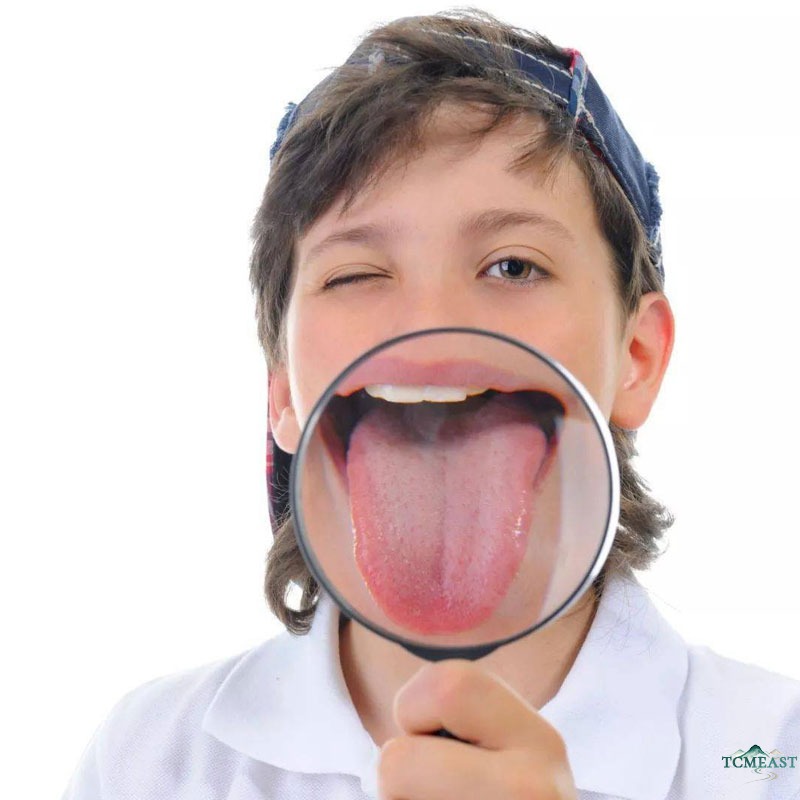
A Personal NoteWhen a TCM practitioner asked me to stick out my tongue during my first consultation, I thought it was strange. But she accurately described my digestive issues, stress level, and energy state — just from looking at my tongue. Tongue diagnosis is not mystical; it is a trained observation of how the body's internal state manifests on the surface of the tongue. This guide teaches you the basics so you can observe changes in your own health over time.
What the Tongue Reveals
| Tongue Feature | What It Reflects |
|---|---|
| Body color | Blood and organ status |
| Body shape | Qi and fluid status |
| Coating (fur) | Pathogen type (cold, heat, dampness) |
| Moisture | Fluid metabolism |
| Sublingual veins | Blood circulation |
Tongue Body Colors
Pale tongue (淡白) — Blood deficiency or yang deficiency. May indicate anemia, chronic fatigue, or cold pattern.
Red tongue (红) — Heat pattern. The brighter the red, the more intense the heat. A red tip indicates Heart fire. Red sides indicate Liver fire.
Deep red/crimson tongue (绛) — Intense heat entering the blood level. Often seen in severe inflammatory conditions or advanced stages of febrile disease.
Purple tongue (紫) — Blood stasis. May indicate poor circulation, chronic pain, or blood clotting issues.
Dark, dusky tongue — Severe cold or severe blood stasis.
Tongue Coatings
Thin white coating (薄白苔) — Normal. Also: early stage of wind-cold invasion (mild cold).
Thick white coating (厚白苔) — Cold-dampness or food stagnation. Commonly seen with bloating, digestive issues.
Thin yellow coating (薄黄苔) — Mild heat. Early stage of wind-heat invasion.
Thick yellow coating (厚黄苔) — Damp-heat. Often accompanies infections, inflammation, or digestive damp-heat.
No coating / peeled tongue (剥苔/无苔) — Yin or fluid deficiency. The stomach yin is depleted. Often seen after illness, in chronic stress, or advanced age.
Greasy coating (腻苔) — Dampness or phlegm. Feels like a greasy film. Associated with heavy sensation, brain fog, high cholesterol, or phlegm conditions.
Tongue Body Shape
Puffy, swollen tongue with teeth marks (齿痕舌) — Spleen qi deficiency. The body is holding excess fluid. Very common in modern people.
Thin, narrow tongue — Blood deficiency. The body lacks substance.
Cracked tongue (裂纹舌) — Yin deficiency. The depth and location of cracks indicate severity and which organ is affected.
Special Signs
Red points on the tongue tip — Heart fire. May indicate insomnia, anxiety, or mouth ulcers.
Red points on the tongue sides — Liver fire. May indicate anger, irritability, or PMS.
Thick coating at the root — Lower burner issues (kidney, bladder, intestines).
Thick coating in the center — Middle burner issues (stomach, spleen).
How to Check Your Tongue
- Check in natural light (morning, before eating/drinking)
- Stick out your tongue naturally — do not force it
- Observe: color, shape, coating, moisture, sublingual veins
- Check over several days for patterns — one reading is not diagnostic