Body & Nature
TCM for Menopause: Cooling Heat and Nourishing Yin
A TCM perspective on menopause as a natural transition, with herbs and acupressure for hot flashes, night sweats, mood swings, and sleep changes, plus diet and lifestyle support.
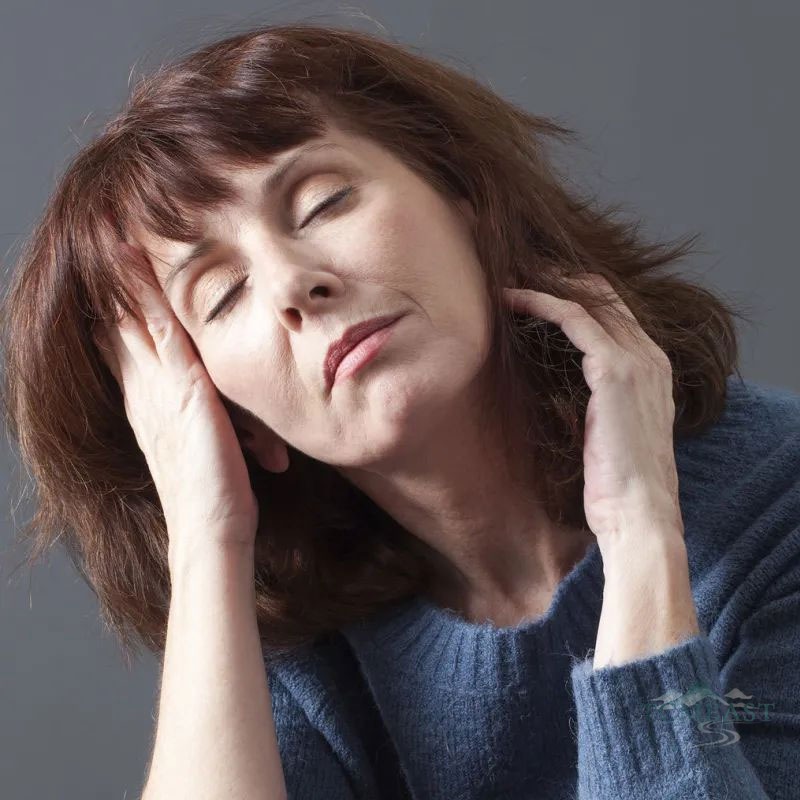
A Personal NoteMenopause is treated in TCM as a transition, not a deficiency disease. Western medicine measures it in hormones; TCM reads it as a shift in the balance between Yin and Yang. As the menstrual cycle winds down, the Kidney essence that has supported reproduction gradually changes its job: it becomes the foundation for the body's later years. For many women, this transition creates a temporary state of Yin deficiency with rising Yang heat. The result is the familiar cluster of hot flashes, night sweats, irritability, and restless sleep. The good news is that TCM has spent centuries working with exactly this pattern.
The TCM View of Menopause
In TCM, a woman's life is anchored by the Kidney system. The Huangdi Neijing describes how Kidney essence matures at 14, peaks during the reproductive years, and begins to decline around 49. Menopause is not the end of vitality; it is the point where the body stops spending essence on reproduction and turns it toward longevity.
The symptoms women feel during this shift depend on their starting point:
- Yin deficiency with yang rising: hot flashes, night sweats, dry skin and eyes, irritability, insomnia
- Kidney yang deficiency: cold limbs, low energy, frequent urination, low libido, water retention
- Liver qi stagnation: mood swings, irritability, breast tension, frustration, headaches
- Blood deficiency: fatigue, dizziness, poor memory, dry hair and nails, anxiety
Most women are a mixture of two or three of these patterns at once.
Herbs for Menopause Symptoms
Herbal support should always be matched to the pattern. Commonly used herbs include:
Sheng Di Huang (Rehmannia): Nourishes Kidney yin and clears heat. A cornerstone of yin-nourishing formulas.
Shan Zhu Yu (Cornus): Anchors Kidney essence, helps stop night sweats and excessive sweating.
Mu Dan Pi (Moutan bark): Clears heat from the blood, useful for hot flashes and irritability.
Zhi Mu (Anemarrhena): Clears deficiency heat and moistens dryness.
Huang Bai (Phellodendron): Clears heat from the lower burner, often paired with Zhi Mu.
Gou Qi Zi (Goji berry): Nourishes Liver and Kidney yin, supports the eyes and hair.
He Huan Pi (Mimosa bark): Smooths the Liver and calms the spirit. Used when menopause brings anxiety and sadness.
Classic formulas include Liu Wei Di Huang Wan for yin deficiency with hot flashes, Zhi Bai Di Huang Wan when heat is stronger, and Xiao Yao San when stress and mood swings dominate. These are not interchangeable; a practitioner will select the one that matches your symptoms.
Acupressure Points for Menopause
Tai Chong (LV3): Between the first and second toe bones. The point that moves Liver qi and releases frustration. Press firmly for 1-2 minutes.
San Yin Jiao (SP6): Four finger-widths above the inner ankle bone. Regulates the female reproductive system, nourishes yin, and supports sleep.
Yin Ling Quan (SP9): Just below the knee on the inner leg. Helps when water retention and heaviness accompany menopause.
Shen Men (HT7): The wrist point that calms the spirit and helps with insomnia and anxiety.
Yong Quan (KI1): On the sole of the foot. Pressing it in the evening helps draw heat downward and can reduce hot flashes at night.
Diet and Lifestyle Support
Cool from the inside: Favor tofu, soy, millet, pears, cucumber, mung beans, and lightly cooked leafy greens. These moisten and cool without chilling the digestion.
Avoid flash triggers: Spicy food, alcohol, caffeine, and very hot drinks can fan yang heat. This is individual: keep a simple log for two weeks and notice which foods reliably trigger a flash.
Eat for Kidney yin: Black sesame, black beans, walnuts, goji berries, and bone broth are classic Kidney-nourishing foods.
Move to release the Liver: Walking, swimming, tai chi, and gentle yoga help move Liver qi. Vigorous exercise that leaves you exhausted can aggravate yin deficiency.
Sleep is medicine: Night sweats fragment sleep, and poor sleep worsens every menopause symptom. The insomnia routine in our separate guide applies: stop eating early, warm the feet, and keep a notebook for racing thoughts.